
Quick answer
Prevent plumbing problems by keeping grease and rubbish out of drains, checking regularly for leaks, and knowing how to isolate your water supply. Deal with slow drains, running toilets and unexplained meter movement early, and leave pressure adjustments, concealed leaks and geyser safety work to a qualified plumber.
Warning signs worth acting on
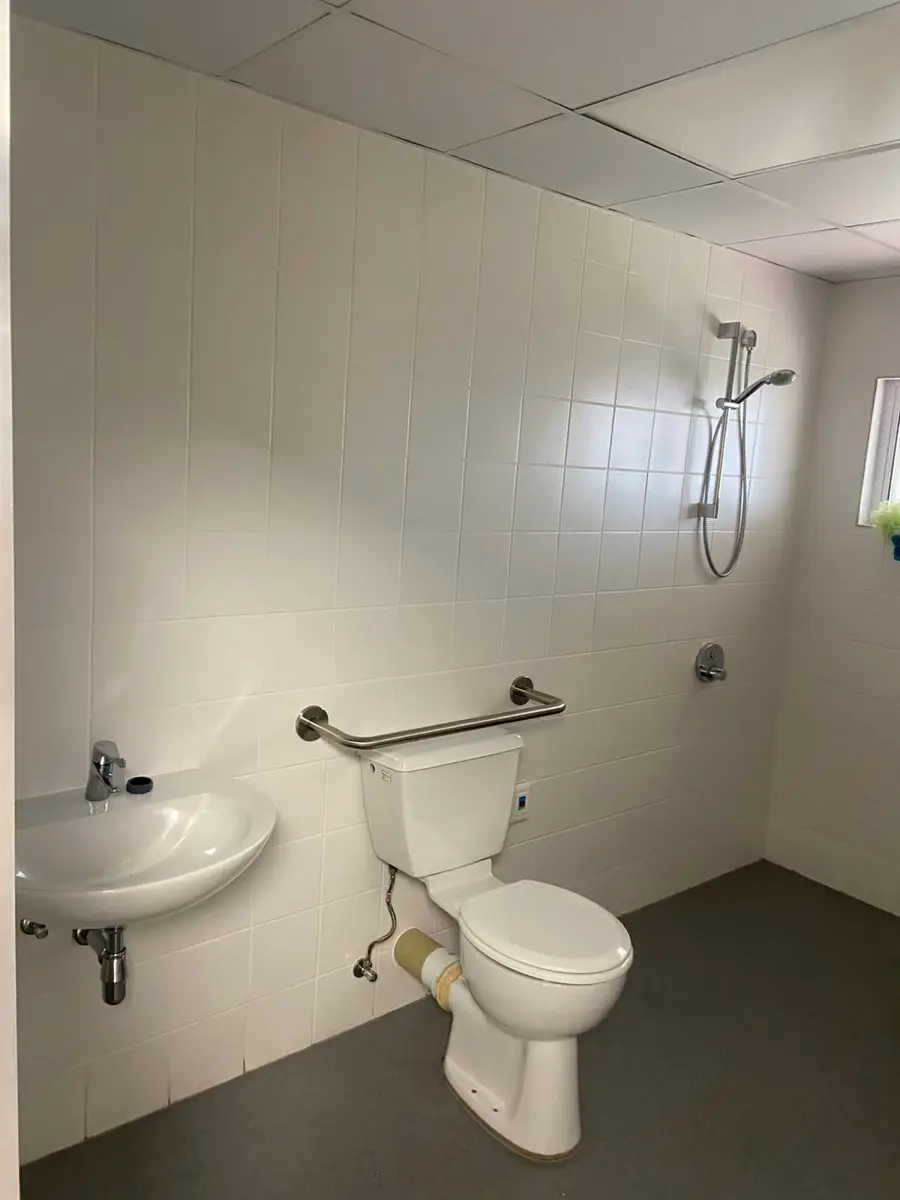
A plumbing fault does not always start with a puddle. A toilet that keeps refilling, a damp cupboard base or a tap that suddenly loses flow can be the first clue. Check accessible fittings regularly, especially flexible hoses behind toilets and beneath basins: rust, bulging or wet connections need attention.
For a basic leak check, turn off taps and make sure toilets, appliances and irrigation are not drawing water. Record the water meter reading and check it again after a quiet period. Movement suggests water is still being used somewhere; it does not identify the source. In a complex with a shared meter, arrange checks through the managing agent.
- Investigate recurring slow drainage rather than repeatedly treating the symptom.
- Have banging pipes or sudden pressure changes assessed; noise alone does not prove pressure is too high.
- Check unexplained damp patches, peeling paint and unusually green patches along buried water lines.
- Report persistent sewer smells or wastewater backing up promptly.
- Get a geyser overflow checked if discharge becomes continuous or changes noticeably; never block an outlet.
What affects the cost of preventative plumbing work?
The scope of the inspection, access to fittings and the condition of the installation affect the work required. Replacing an accessible worn hose is a different job from tracing a concealed leak or correcting a pressure-control fault. A useful assessment separates urgent repairs from maintenance that can be planned.
Fox Plumbing agrees the price upfront, and the call-out fee includes the first hour of work. Pensioners receive a special rate. Explain the symptoms when booking so the visit can be planned around the problem.
- The number of bathrooms, appliances and outdoor water points to check.
- Whether valves, pipes and the geyser are safely accessible.
- Whether specialist leak detection is needed.
- The condition and compatibility of replacement fittings.
- Any opening-up, pipe repair or reinstatement needed after a fault is located.
Practical prevention for Gauteng homes
Before Gauteng's colder winter weather arrives, check exposed outdoor pipework and ask a plumber about suitable insulation where pipes are vulnerable to frost. After a water interruption, check accessible joints and appliance hoses when supply returns. If poor flow persists, establish whether neighbours are affected before assuming the fault is inside your property.
Keep the household's main water shut-off accessible and make sure responsible adults know where it is. Test it gently when you can monitor the result, and never force a seized valve. In sectional-title properties, confirm which valve isolates your unit and which pipework falls under the body corporate.
- Scrape food into the bin and let cooking fat cool before disposing of it with household waste.
- Use sink and shower strainers, and empty them regularly.
- Flush only toilet paper and human waste, not wipes, sanitary products or cotton wool.
- Do not use boiling water to chase grease down a drain; it can move the blockage further along and damage some fittings.
- Check irrigation connections and outdoor taps for leaks, particularly after gardening or building work.
Preventative help from Fox Plumbing
Fox Plumbing is based in Benoni and serves the East Rand and greater Gauteng. Owner Evan Pretorius is a qualified registered plumber with more than 20 years of experience, membership of IOPSA and PIRB, and remains on the tools. Fox Plumbing issues Certificates of Compliance (COCs), and every job is insured.
For suspected concealed leaks, Fox Plumbing uses non-invasive detection with harmless tracer gas and a detector. Most leaks are found within the hour, without digging during detection; access may still be needed to repair the pipe. Phone 084 368 1879 to arrange a visit, Monday to Friday, 08:00–17:00, or Saturday by appointment.
- Owner-led work with the price agreed upfront.
- Call-out fee includes the first hour of work.
- Special rate for pensioners.
How we do the job
- 1
Discuss symptoms and recent changes
Describe leaks, drainage problems, pressure changes and any recent interruptions or building work. Identify recurring faults rather than focusing only on the latest symptom.
- 2
Check isolation and visible plumbing
Locate the main shut-off and inspect accessible taps, toilets, hoses, pipe joints and waste connections for deterioration or leakage.
- 3
Assess flow, drainage and geyser concerns
Check the reported problems and measure pressure where needed. Have geyser controls and safety arrangements assessed by the plumber rather than adjusting them yourself.
- 4
Trace unexplained water loss
Use meter checks to establish whether water is being drawn when outlets are off. If a concealed leak is suspected, discuss suitable leak detection before opening walls or ground.
- 5
Agree repairs and verify the result
Agree the price before work proceeds. After repairs, check affected connections for leaks and confirm that the relevant fixtures operate properly.
- 6
Set a maintenance routine
Keep a record of repairs and note any recommended follow-up. Base professional inspection intervals on the installation's age, condition and equipment servicing requirements.
Common questions
How often should I check my home's plumbing? +
A monthly visual check of accessible hoses, joints, toilets and cupboard bases is a useful routine. Check again after plumbing work or a water interruption. Professional inspection and servicing intervals should suit the installation and the manufacturer's requirements.
Should I use chemical drain cleaner to prevent blockages? +
Routine chemical dosing is not a substitute for keeping waste out of drains. Some products can damage fittings or create a hazard during later work. Never mix drain chemicals, and tell the plumber if you have used any.
Does a dripping geyser overflow always mean a fault? +
Some discharge from a geyser's expansion-control outlet during heating can be normal. Continuous discharge, a marked change or water leaking from the geyser itself needs assessment. Never cap an overflow or interfere with a safety valve.
What should I do if a pipe bursts? +
Close the main water shut-off if it is safe to reach. Keep away from water near electrical equipment. If the geyser is affected, switch off its electricity only from a dry, safe position. Arrange plumbing help and do not restore the supply until the fault has been assessed.
Can Fox Plumbing find a leak without digging? +
Fox Plumbing uses harmless tracer gas and a detector to locate concealed leaks without digging during detection. Most leaks are found within the hour. Repairing the identified fault may still require access to the pipe.