
Quick answer
A new bathroom installation in Benoni starts with checking whether the proposed layout will work with your water supply, drainage and geyser. Fox Plumbing’s owner, Evan Pretorius, is a qualified registered plumber with more than 20 years’ experience who works on the tools, with the price agreed upfront.
When a new bathroom needs more than new fittings
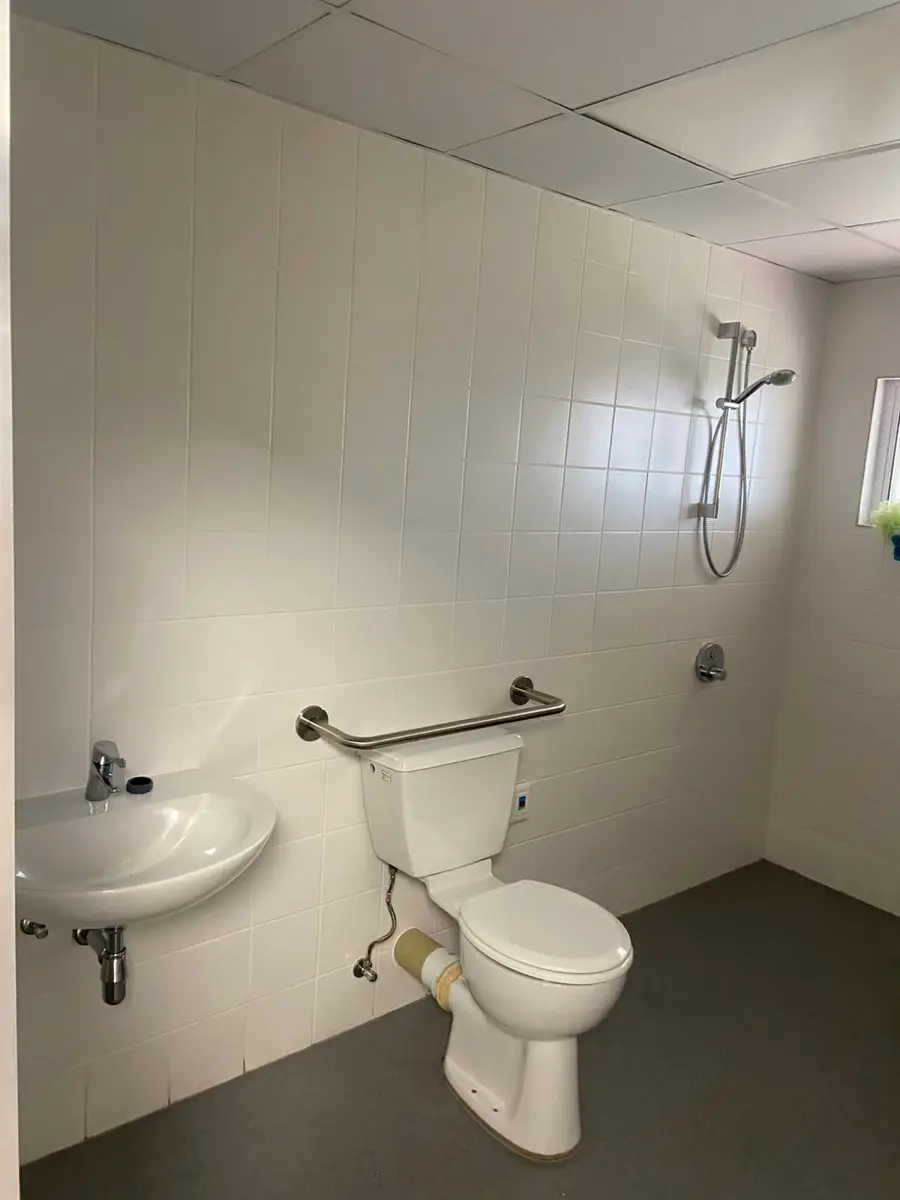
Adding an en-suite, converting a spare room or moving a toilet requires plumbing planning before you order fittings. A basin can look right on a drawing while leaving too little space for its waste connection, and a shower position may be difficult to drain without raising the floor or changing the pipe route.
If you are replacing an existing bathroom, use the opportunity to assess exposed pipework. Recurring leaks, visible corrosion, slow drainage or poor flow deserve investigation before new tiles hide the connections.
- Check the toilet’s outlet position against the proposed sewer connection.
- Confirm that concealed mixers will fit within the available wall depth.
- Allow access to isolation valves and fittings that may need servicing.
- Assess hot-water demand if the new bathroom will be used alongside another shower.
What affects the installation cost?
The amount of plumbing that needs to move is a major cost factor. Keeping a toilet, basin and shower near suitable existing connections generally involves less work than taking supply and waste pipes across the house. Existing connections still need checking rather than being assumed suitable.
Agree exactly what the plumbing scope includes. Building alterations, waterproofing, tiling, electrical work and rubble removal should be identified separately so there is no confusion about who is responsible. Fox Plumbing agrees the price upfront; any proposed change to the agreed work should be discussed before proceeding.
- Distance to suitable water-supply and drainage connections.
- Access beneath floors, inside walls and around existing services.
- Condition and suitability of existing pipes and valves.
- Fixture specifications, including concealed fittings and wall-hung toilets.
- Any required changes to hot-water supply or pressure control.
- Testing, compliance requirements and making good disturbed surfaces.
Planning a bathroom in your Benoni home
For a Benoni installation, assess the actual property rather than assuming the water pressure or pipe condition from the area. Check available flow and pressure against the chosen fittings’ requirements, particularly if you want a large shower head or expect several outlets to run together.
If the home will remain occupied, plan water shut-offs and access to a working toilet before work begins. Confirm the sequence with whoever handles building work, waterproofing and tiling: concealed plumbing needs testing before it is covered, and the shower waste position must suit the finished floor levels.
- Have the fixture specifications available before pipe positions are finalised.
- Ask whether the proposed alterations need municipal approval.
- Keep a record of concealed pipe routes before walls and floors are closed.
- Agree when the bathroom will be unavailable and what facilities will remain usable.
Why choose Fox Plumbing?
Fox Plumbing is based in Benoni and serves the East Rand and greater Gauteng. Owner Evan Pretorius is a qualified registered plumber with more than 20 years’ experience, is a member of IOPSA and PIRB, and issues Certificates of Compliance (COCs). He works on the tools, and every job is insured.
The price is agreed upfront, the call-out fee includes the first hour of work, and pensioners receive a special rate. To discuss your bathroom plans and the plumbing scope, phone 084 368 1879. Hours are Monday to Friday, 08:00–17:00, with Saturday appointments by arrangement.
How we do the job
- 1
Assess the layout and existing services
Check the proposed fixture positions, water supply, drainage route and geyser capacity. Identify access constraints and any existing plumbing defects that could affect the installation.
- 2
Confirm fittings, scope and price
Use the chosen fittings’ specifications to confirm connection positions. Agree the plumbing work and price upfront, and clarify responsibilities for other trades and any required approvals.
- 3
Install the concealed plumbing
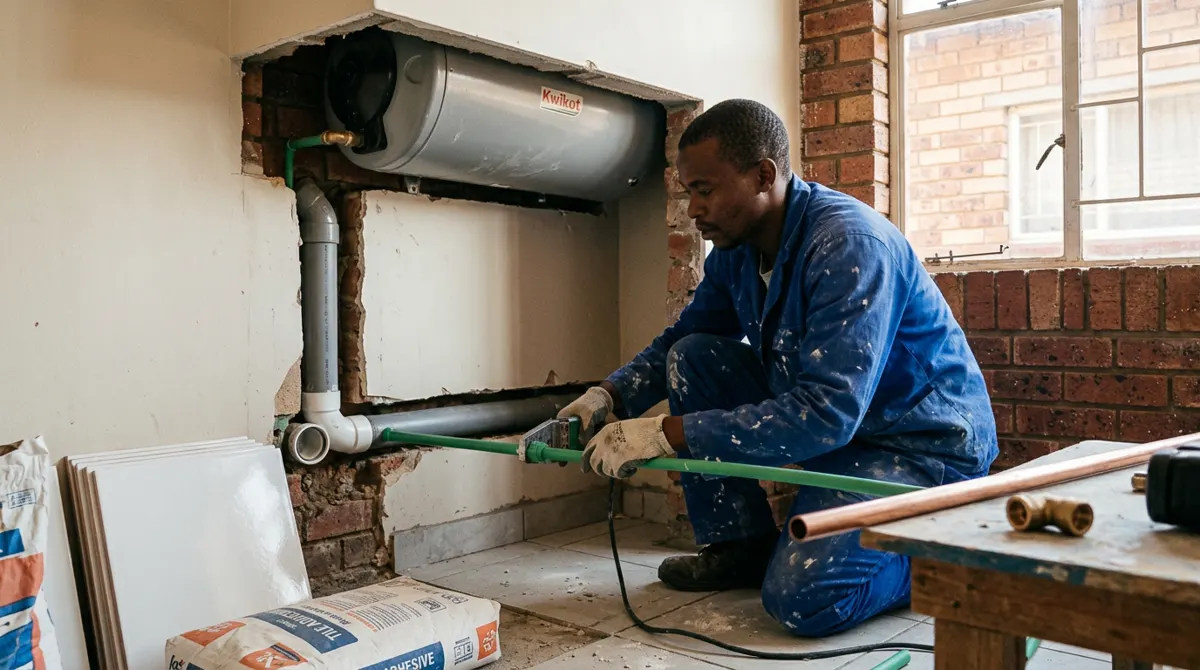
Run the hot- and cold-water supplies and install waste connections with suitable pipe sizing, support, drainage falls and access for maintenance.
- 4
Test before covering
Test supply pipework and check drainage connections before walls or floors are closed. Resolve defects while the plumbing is accessible, then coordinate with waterproofing and tiling work.
- 5
Fit and commission the bathroom
Install the sanitaryware, taps and shower fittings once surfaces are ready. Check operation, drainage and connections for leaks, explain isolation points, and issue the applicable compliance documentation.
Common questions
Can I put a new bathroom anywhere in the house? +
Not every position is equally practical. A suitable drainage route, ventilation, water supply and enough space for the fittings are essential. Have the proposed location assessed before committing to building work or buying sanitaryware.
Should I buy the taps and toilet before calling a plumber? +
Choose a shortlist first, but confirm compatibility before buying. Toilet outlets, concealed mixer depths and shower flow requirements can affect the layout and the work needed.
How long will the bathroom installation take? +
Timing depends on the plumbing changes, access, fixture availability and the sequence of building, waterproofing and tiling work. Ask for a programme based on the agreed scope, including water shut-offs and when the toilet and shower can be used.
Will my existing geyser support another bathroom? +
It needs assessing against the additional demand. Storage capacity, heating recovery, pipe routes and simultaneous use all matter; an extra bathroom does not automatically mean you need another geyser.
Does Fox Plumbing issue a Certificate of Compliance? +
Yes. Evan Pretorius issues plumbing COCs. Confirm which work requires certification and what the certificate will cover when agreeing the installation scope; it should not be taken as certification of unrelated existing plumbing.