
Quick answer
Plumbing in Gauteng must meet applicable national building regulations, plumbing standards and municipal water and sanitation bylaws. Standards such as SANS 10252 and SANS 10254 guide water supply, drainage and geyser work, while approval and Certificate of Compliance (COC) requirements depend on the work and the relevant authority. Before starting, ask a qualified registered plumber which requirements apply and what paperwork you will receive.
Signs your plumbing needs a compliance check
A system can still deliver water while hiding unsafe or unsuitable installation work. Arrange an assessment if a geyser has been moved, bathrooms have been added, or previous alterations have left you unsure where pipes discharge or whether drains are properly vented.
Visible problems are reasons to investigate, not proof of a particular breach. Never block a dripping geyser safety discharge pipe or remove a safety valve to stop a leak; those components protect the system.
- Geyser discharge pipes end inside the roof space or where hot water could injure someone.
- Recurring sewer smells, gurgling fixtures or slow drainage suggest a drainage or ventilation problem.
- Water pressure changes sharply after alterations, or pipes repeatedly leak at joints.
- A geyser installation has no visible drip tray or its drainage route is unclear.
- Recent installation work has no supporting invoice, test records or applicable COC.
What affects the cost of compliance work?
The cost depends on what needs correcting, not simply on whether you need a certificate. An inspection may identify a limited repair, or it may reveal pipework, drainage or geyser safety components that need alteration before the relevant work can be certified.
Ask for a clear scope separating inspection, corrective work, testing and certification. A COC should describe the work it covers; it is not automatically a certificate for every pipe and fitting on the property.
- The type and extent of the installation being assessed.
- Access to roof spaces, concealed pipes and underground drains.
- The condition and suitability of existing fittings and safety components.
- Whether pipe routes, drainage falls or discharge arrangements need changing.
- Any necessary municipal submissions, specialist work or making good after access.
Which rules apply across Gauteng?
SANS 10252-1 deals with water supply installations in buildings, while SANS 10252-2 addresses drainage installations. SANS 10254 covers the installation, maintenance, replacement and repair of fixed electric storage water heating systems. Applicable requirements address matters such as pipe sizing, backflow protection, drainage ventilation and safe geyser discharge arrangements. Electrical connections also have separate electrical compliance requirements.
There is no single municipal plumbing rulebook for all of Gauteng. Benoni falls within Ekurhuleni, while Johannesburg, Tshwane and other municipalities administer their own bylaws and approval processes. Do not assume every Gauteng property sale requires a plumbing COC: confirm the municipality's requirements and the sale agreement with your conveyancer. Insurance requirements also depend on the policy and circumstances; ask your insurer what records it requires.
- Check approval requirements before adding bathrooms or changing drainage layouts.
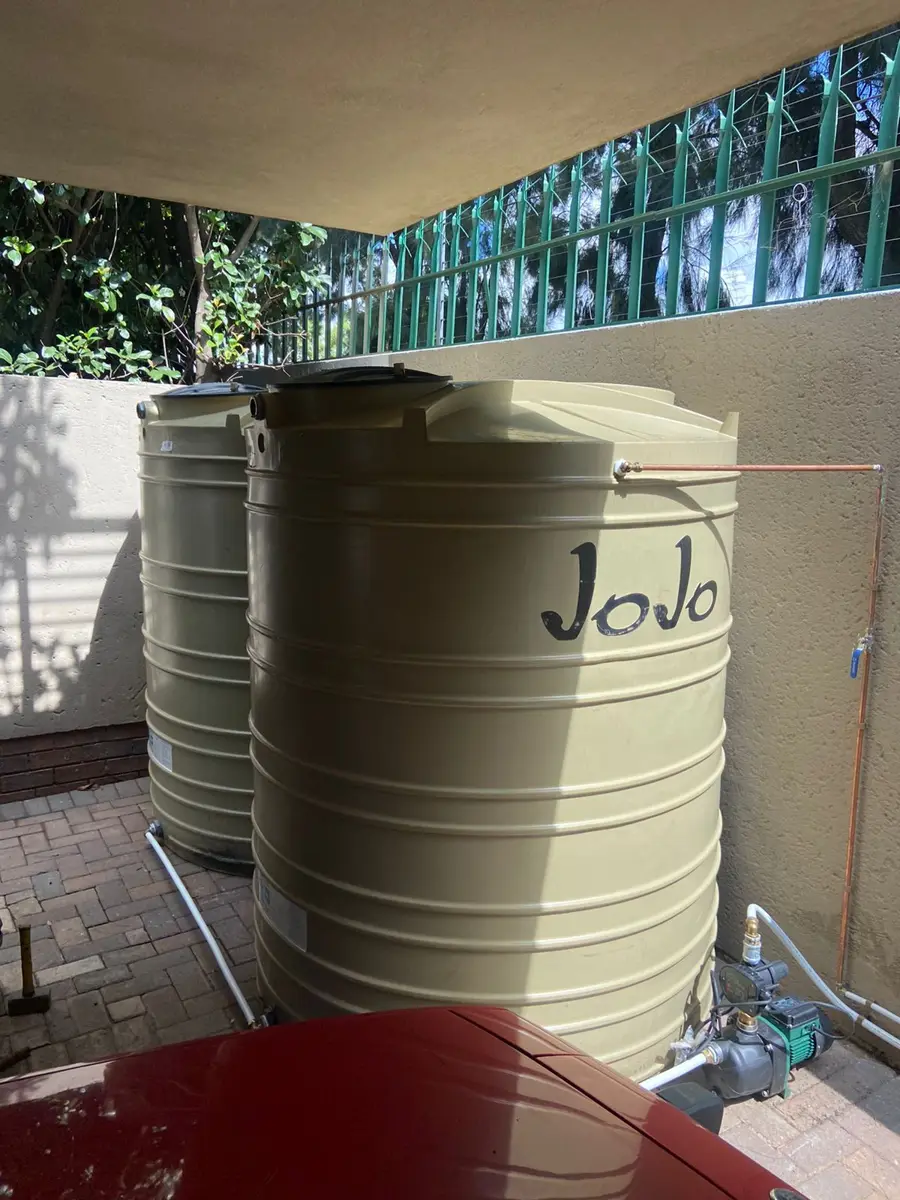
- Confirm backflow protection and connection requirements before connecting a tank or alternative water supply to household plumbing.
- Ask which current standards and municipal requirements apply to the proposed work.
- Keep the invoice, scope of work, applicable COC and installation records together.
Why use Fox Plumbing for compliance-related work?
Fox Plumbing is based in Benoni and serves the East Rand and greater Gauteng. Owner Evan Pretorius is a qualified registered plumber with more than 20 years of experience, is a member of IOPSA and PIRB, and issues Certificates of Compliance. Evan is on the tools, so you can discuss the installation and required corrections with the person doing the work.
The price is agreed upfront, the call-out fee includes the first hour of work, pensioners receive a special rate, and every job is insured. Phone 084 368 1879 to discuss your plumbing concerns. Hours are Monday to Friday, 08:00–17:00, with Saturday appointments by arrangement.
- Explain whether you need a repair, a new installation or an assessment of previous work.
- Have existing certificates and any insurer or municipal instructions available.
- Ask what the agreed work and any resulting COC will cover.
How we do the job
- 1
Define the work and paperwork needed
Explain the problem or planned alteration. Identify the municipality, any insurer instructions and whether the request relates to a property sale, renovation or replacement installation.
- 2
Inspect the relevant installation
The plumber checks accessible components, pipe routes, drainage arrangements and safety fittings. Concealed work may need further investigation before its condition can be confirmed.
- 3
Confirm requirements and agree the scope
Identify the applicable standards, bylaw requirements and any approvals needed. Agree the corrective work and price before proceeding, including how inaccessible areas will be handled.
- 4
Complete the necessary corrections
Repair or replace unsuitable components and correct installation defects within the agreed scope. Coordinate separate electrical or other specialist work where necessary.
- 5
Test and hand over records
Check the completed work using the tests appropriate to the installation. Receive the applicable COC and supporting records, with an explanation of what was covered and any outstanding issues.
Common questions
Does every plumbing repair need a COC? +
Not every minor repair carries the same certification requirements. Ask before work starts whether a COC is required for that job under applicable rules, registration requirements or your insurer's conditions, and confirm who will issue it.
Do I need a plumbing COC to sell a house in Gauteng? +
Do not assume it is compulsory for every sale across Gauteng. Requirements can arise from municipal rules or the sale agreement. Your conveyancer should confirm what is needed for the particular property and transaction.
Will non-compliant plumbing automatically invalidate my insurance? +
There is no reliable blanket answer. Cover depends on your policy wording, the cause of the damage and the circumstances of the claim. Ask your insurer about installation and certification requirements, and keep records of plumbing work.
Does old plumbing have to be replaced whenever a standard changes? +
A revised standard does not, by itself, mean every older installation must be replaced. Safety defects, applicable legal requirements and the extent of new alterations all matter. Have the affected installation assessed rather than assuming it is either exempt or entirely due for replacement.
Can a plumbing COC also cover the geyser's electrical connection? +
A plumbing COC does not replace an electrical Certificate of Compliance. If geyser work involves changes to wiring, isolation or other electrical components, confirm the separate electrical requirements with an appropriately registered electrical professional.