
Quick answer
Sustainability in commercial plumbing means reducing water waste and hot-water energy losses without compromising hygiene, reliability or daily operations. For Gauteng businesses, the practical starting point is to measure consumption, repair leaks and match fittings to actual demand before investing in water storage or reuse systems.
Signs your commercial plumbing is wasting water
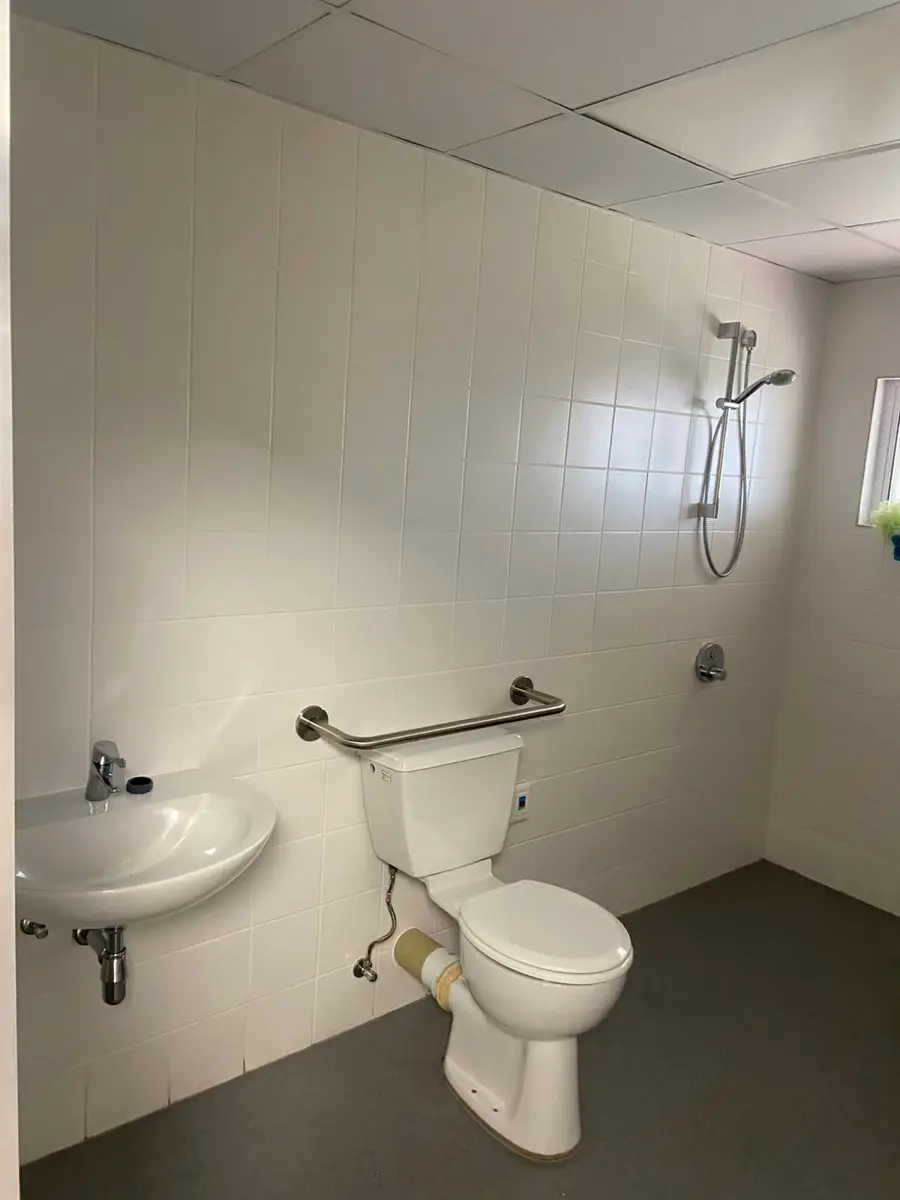
A toilet that quietly runs between flushes can go unnoticed in a busy office or shopping centre. Other warning signs include taps that do not shut off properly, unexplained damp patches and rising consumption despite unchanged occupancy. Compare meter readings as well as bills: a higher bill alone may reflect tariff changes rather than increased water use.
Hot-water waste deserves attention too. Long waits for warm water, exposed hot-water pipes and poorly controlled circulation can waste water or energy. Investigate the cause before replacing equipment, and do not simply lower storage temperatures without considering hygiene requirements.
- Take meter readings over comparable periods and record occupancy or production changes.
- Check toilets, urinals, staff kitchens and cleaning points, not just public washrooms.
- Investigate meter movement during a confirmed no-use period, allowing for automatic equipment and tank filling.
- Give staff and tenants a clear way to report leaks, with someone responsible for following up.
What affects the cost of sustainable plumbing improvements?
Cost depends on the fault, access to the pipework and how much of the existing installation can remain in service. Replacing a worn toilet inlet valve is a different job from separating a building's potable and non-potable supplies. Start with repairs that address measured waste, then assess larger upgrades against likely use and ongoing maintenance.
Efficient fittings must suit the building. A flow restrictor that works well at a hand basin may slow down a kitchen's container-filling tasks without reducing the volume needed. Sensor taps need suitable settings and maintenance; they are not automatically the best choice for every washroom.
- Number of fittings, their condition and compatibility with existing pipework.
- Water pressure, required flow rates and peak demand.
- Access through ceilings, service ducts, walls or floors, plus any reinstatement.
- Shutdown requirements and the need to keep toilets or kitchens operational.
- For reuse systems: storage, treatment, separate pipework, backflow protection and maintenance.
- Availability of replacement parts and the expected service life of components.
Practical sustainability choices for Gauteng buildings
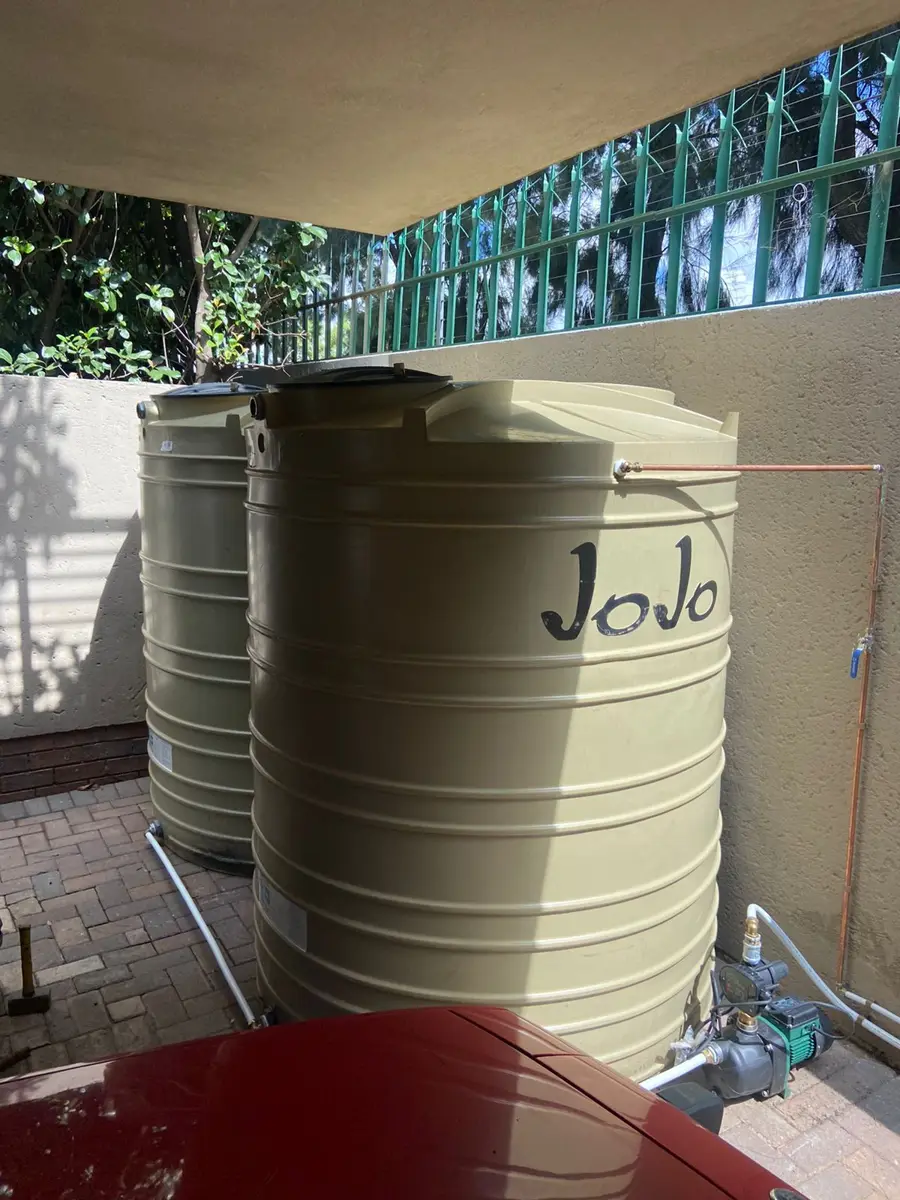
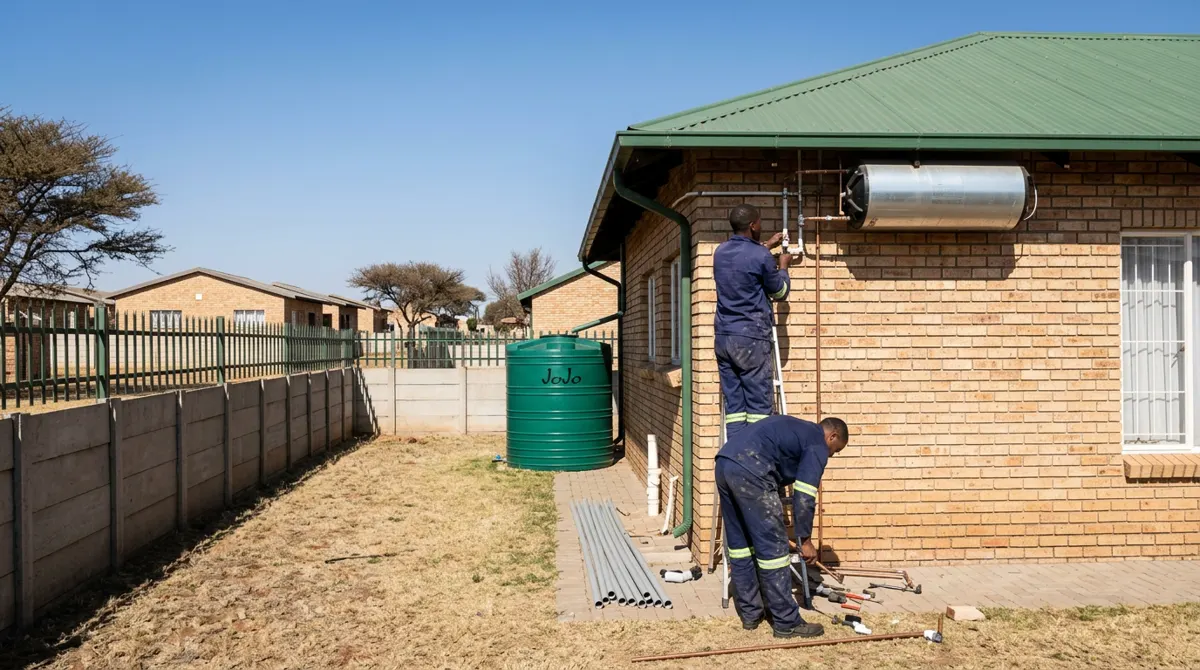
Across Gauteng, confirm the relevant municipality's current water restrictions and plumbing requirements before planning storage or reuse. Rainwater supply is seasonal, so size a tank around roof catchment, rainfall patterns and a defined use rather than available space alone. Harvested rainwater is not automatically safe to drink; treatment must suit its intended use, and non-potable supplies must be kept separate from drinking water with appropriate backflow protection.
Greywater also needs a site-specific assessment. Do not assume kitchen wastewater is suitable for a basic reuse system: grease and food contamination create additional treatment demands. For hot water, review pipe insulation, distribution distances and circulation controls before selecting a heat pump or solar system. Equipment should match the site's demand profile, not just the number of occupants.
- Check efficient toilet performance and compatibility with the existing drainage system before a building-wide rollout.
- Pilot a new tap or toilet fitting in one area and monitor performance before replacing every unit.
- Include tank cleaning, filter servicing and treatment checks in any reuse-system plan.
- Assess pipe materials for temperature, pressure, water quality, exposure and repairability rather than a generic 'green' label.
Why involve Fox Plumbing?
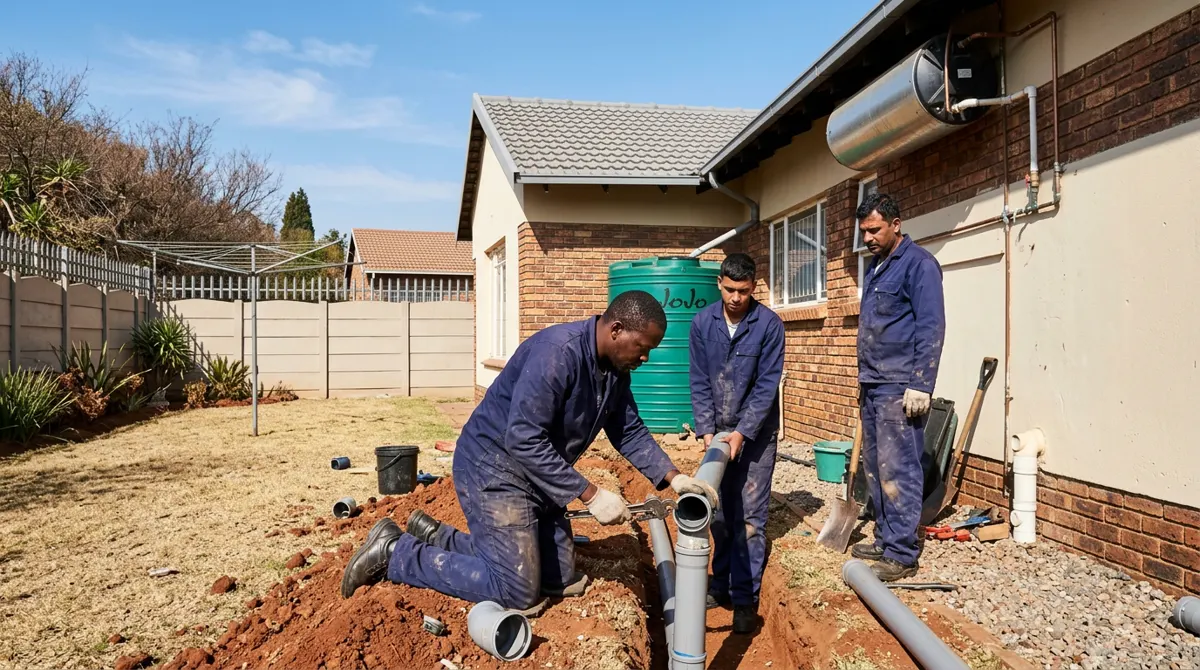
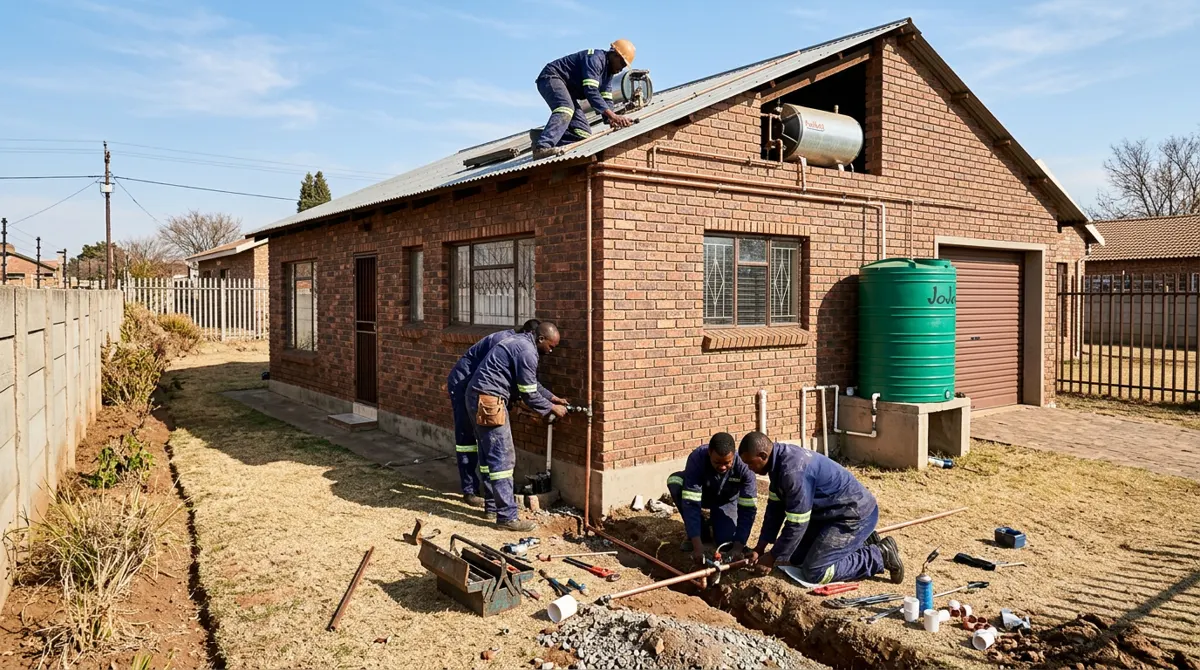
Fox Plumbing is based in Benoni and serves the East Rand and greater Gauteng. Owner Evan Pretorius is a qualified registered plumber with more than 20 years of experience, is a member of IOPSA and PIRB, and remains on the tools. Fox Plumbing issues Certificates of Compliance (COCs), agrees the price upfront and insures every job. The call-out fee includes the first hour of work.
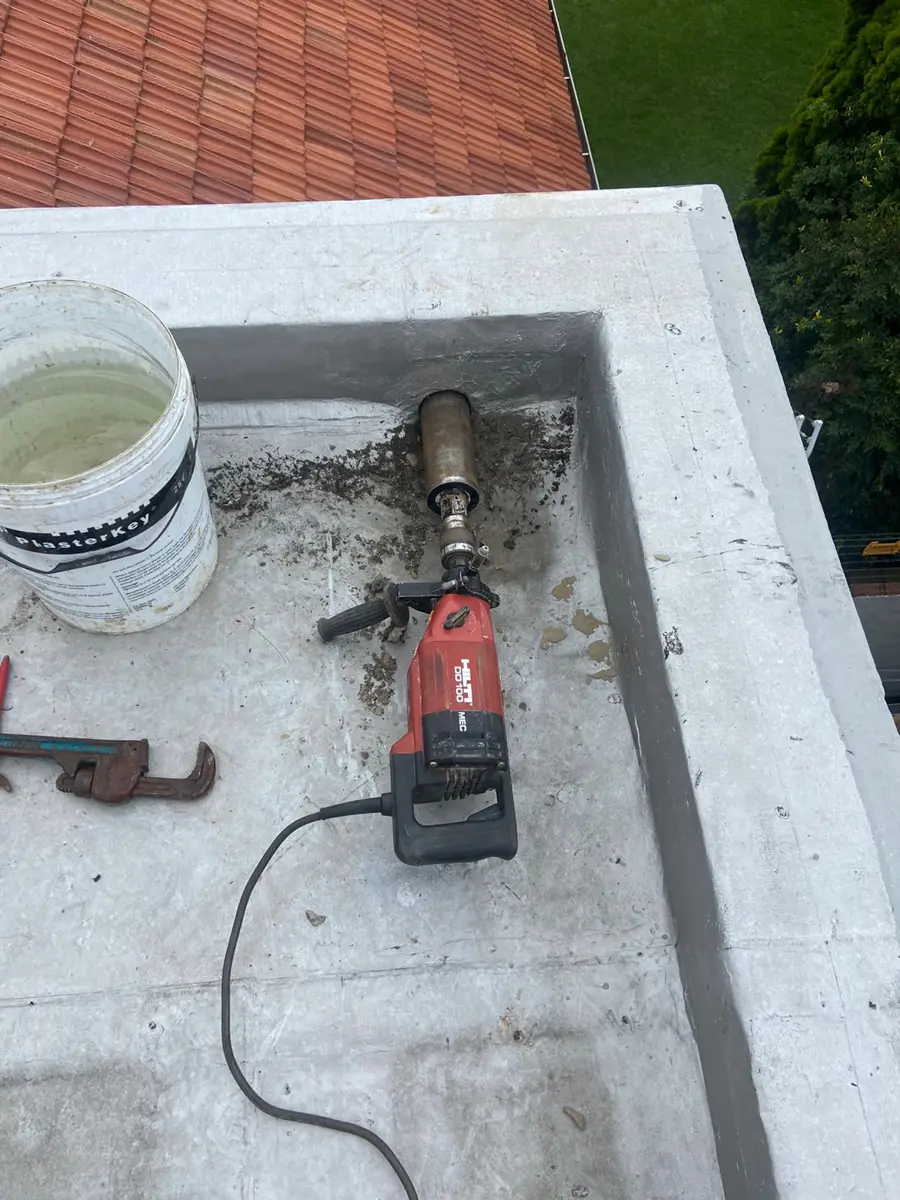
For suspected hidden leaks, Fox Plumbing uses non-invasive detection with harmless tracer gas and a detector. Most leaks are located within the hour without digging; repairing the pipe may still require access. To discuss water waste or a plumbing fault at your premises, phone 084 368 1879. Hours are Monday to Friday, 08:00–17:00, and Saturday by appointment.
- Owner-led plumbing work with clear pricing before work proceeds.
- Non-invasive leak detection to help locate hidden water loss.
- Discuss the proposed scope and any applicable COC requirements before work starts.
How we do the job
- 1
Establish a consumption baseline
Gather recent meter readings and bills, then note operating hours, occupancy and water-using equipment. Separate routine demand from unexplained increases.
- 2
Inspect and locate losses
Check visible fittings, toilet cisterns, isolation valves and accessible pipework. If a hidden leak is suspected, arrange detection rather than opening surfaces at random.
- 3
Prioritise repairs and agree the scope
Address active leaks and faulty controls first. Agree the work, price, access arrangements and shutdown plan before proceeding.
- 4
Choose upgrades that suit the site
Assess efficient fittings and hot-water improvements against pressure, demand, hygiene and maintenance needs. Evaluate rainwater or greywater separately, including municipal requirements and protection of the drinking-water supply.
- 5
Install, test and document
Test for leaks and correct operation under realistic demand. Record what changed, identify relevant isolation points and obtain any applicable compliance documentation.
- 6
Measure results and maintain
Compare consumption with the baseline under similar operating conditions. Schedule checks for valves, fittings, insulation and any treatment equipment, and investigate unexplained increases promptly.
Common questions
What is the best first step towards sustainable commercial plumbing? +
Measure water use and check for leaks before buying new equipment. Repairing running toilets, dripping taps and hidden leaks addresses existing waste and gives you a more reliable baseline for evaluating upgrades.
Should every commercial building install sensor taps? +
No. Their suitability depends on usage, pressure, power supply and maintenance capacity. A correctly selected self-closing or manually operated tap may be more practical in some locations. Test the proposed fitting before a large rollout.
Can rainwater be used to flush commercial toilets? +
It can be considered where the system is properly designed and meets applicable local requirements. It needs suitable water quality, a separate non-potable distribution system and protection against cross-connections with drinking water. Plan for periods when the tank is empty.
Does non-invasive leak detection mean the repair needs no digging? +
Not necessarily. Fox Plumbing's tracer-gas detection locates leaks without digging, but access to the damaged pipe may still be needed for repair. Locating the fault first helps avoid unnecessary exploratory digging.
How can a business tell whether an upgrade is saving water? +
Compare meter readings before and after the work over similar periods. Account for occupancy, operating hours, production and irrigation changes. For larger sites, separate metering of high-use areas can make unusual consumption easier to identify.