
Quick answer
Water conservation is vital for commercial properties because wasted water adds to operating costs, puts pressure on shared supplies and can hide leaks that damage buildings. For Gauteng businesses, the practical starting point is to measure consumption, fix leaks and improve water use without compromising hygiene or essential operations.
Signs your commercial property is wasting water
An unexpectedly high bill is a warning, but compare actual meter readings rather than billed amounts alone: estimated readings and tariff changes can distort the picture. Track consumption against occupancy, trading hours and water-intensive activities such as cleaning or food preparation.
A meter that keeps moving after all known water uses have stopped deserves investigation. First account for equipment that fills automatically, irrigation and storage tanks. On multi-tenant premises, confirm which units the meter supplies before treating overnight consumption as a leak.
- Toilets that continue trickling into the bowl after flushing.
- Dripping taps, leaking stopcocks or wet patches around pipe routes.
- An unexplained increase in consumption despite unchanged business activity.
- Irrigation running during rain or spraying paving instead of planted areas.
- Staff leaving hoses running between cleaning tasks.
What affects the cost of conserving water?
The right scope depends on where water is being lost. Repairing a passing toilet valve is a different job from locating a concealed supply-pipe leak or replacing fittings across several ablution blocks. Start with confirmed waste before committing to a larger installation.
Evaluate upgrades against measured consumption and maintenance needs, not savings promises. Water-efficient fittings must still work at the available pressure and suit the task: reducing flow too far can interfere with cleaning, appliance operation or user needs.
- The number, condition and accessibility of pipes, valves and fittings.
- Whether leaks are visible or require specialist detection.
- The compatibility of replacement fittings with existing plumbing.
- The need to isolate occupied areas or schedule work around trading hours.
- Any making-good work needed after a repair.
- Filtration, treatment, separate pipework and ongoing maintenance for water-reuse systems.
Practical water management for Gauteng premises
Check the requirements and current restrictions of the municipality supplying your property; do not assume the same rules apply across Gauteng. Keep an accessible record of meter readings, isolation-valve locations and reported faults so that a caretaker or facilities manager can respond promptly.
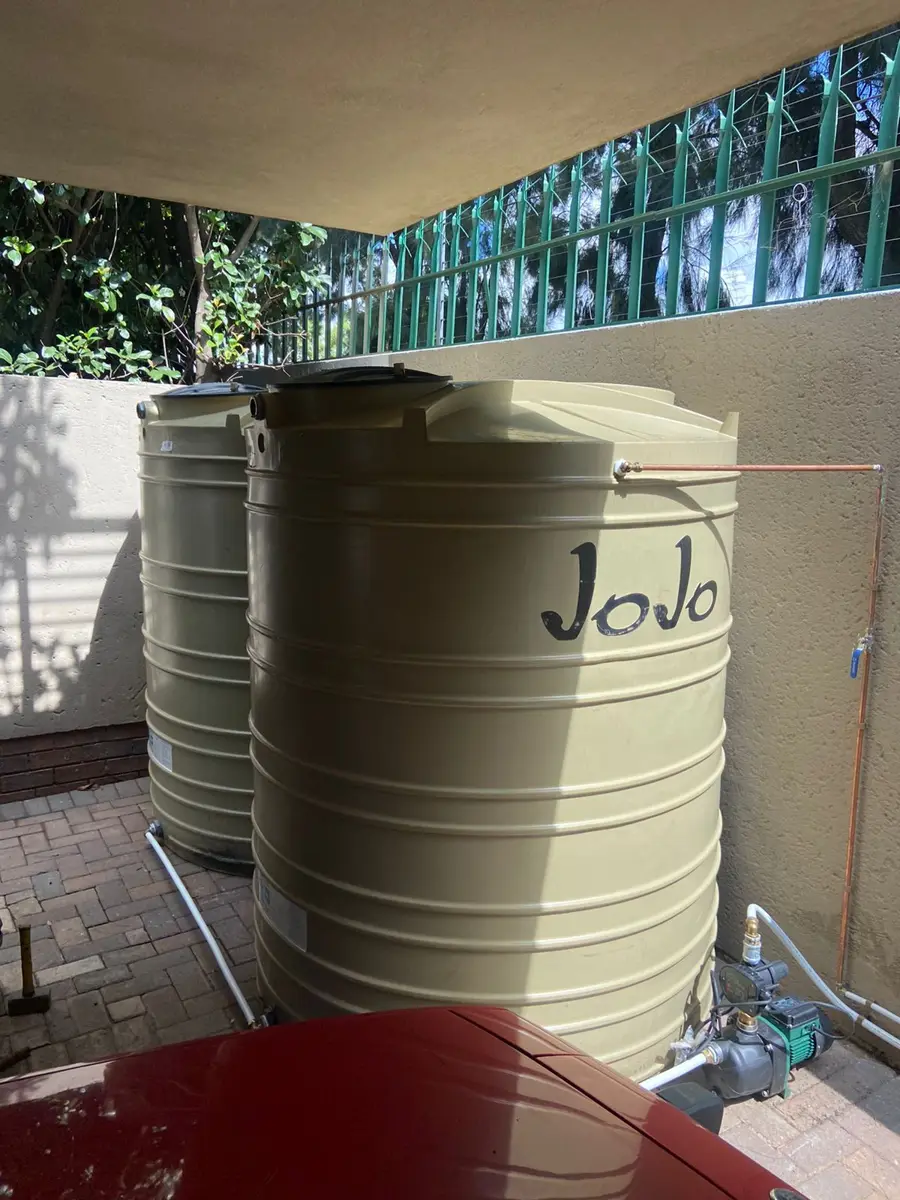
Rainwater harvesting and greywater reuse need careful planning around the intended use, water quality and municipal requirements. Keep non-potable water separate from drinking-water plumbing, with appropriate backflow protection and clearly labelled outlets. A storage tank can support supply continuity, but it does not reduce consumption by itself.
- Read the meter at consistent times and record unusual activity alongside readings.
- Give staff and tenants one clear contact for reporting leaks.
- Use trigger-operated hoses where appropriate and avoid washing down areas that can first be swept.
- Assess irrigation separately from indoor water use.
- Never isolate fire-protection supplies or essential equipment for an informal leak test.
Why speak to Fox Plumbing?
Fox Plumbing is based in Benoni and serves the East Rand and greater Gauteng. Owner Evan Pretorius is a qualified registered plumber with more than 20 years of experience and remains on the tools. Fox Plumbing is a member of IOPSA and PIRB, issues Certificates of Compliance, and every job is insured.
For concealed leaks, Fox uses non-invasive detection with harmless tracer gas and a detector. Most leaks are found within the hour, without digging during detection; accessing a pipe for repair is a separate matter. The price is agreed upfront, and the call-out fee includes the first hour of work. Call 084 368 1879, Monday to Friday, 08:00–17:00; Saturdays are by appointment.
How we do the job
- 1
Establish a consumption baseline
Record meter readings over a representative operating period. Note occupancy, cleaning schedules, irrigation and equipment use so that changes have a useful explanation.
- 2
Check visible sources of waste
Inspect toilets, taps, accessible pipework, tank overflows and irrigation. Log each fault and its location rather than relying on verbal reports.
- 3
Investigate unexplained consumption
Arrange a controlled meter check when normal water use can safely stop. If consumption remains unexplained, discuss leak detection with a plumber rather than digging speculatively.
- 4
Agree the repair scope before work
Confirm the proposed work, price, access requirements and any planned water shutdown. Notify affected tenants or staff and keep essential services protected.
- 5
Choose suitable efficiency improvements
Once leaks are addressed, assess efficient tap outlets, suitable toilet mechanisms and better cleaning or irrigation practices. Match changes to pressure, hygiene and operational requirements.
- 6
Verify results and keep monitoring
Compare subsequent meter readings under similar operating conditions. Check repaired fittings again and assign responsibility for ongoing readings and fault follow-up.
Common questions
Will water conservation reduce my commercial property's bill? +
Reducing metered consumption can lower usage-related charges, but the result depends on your tariff, fixed charges and how much avoidable waste exists. Compare water volumes as well as bill totals when checking progress.
Does a moving meter after closing prove there is a leak? +
No. Toilets, irrigation, tank filling and automatic equipment may still be using water. Account for these uses first; unexplained flow after a controlled check warrants investigation.
Should we replace every tap and toilet immediately? +
Not necessarily. Fix known leaks first, then prioritise heavily used or inefficient fittings. A targeted upgrade based on actual use is more useful than replacing serviceable fixtures without checking their performance.
Does non-invasive leak detection mean no excavation will be needed? +
Fox Plumbing's tracer-gas detection locates leaks without digging. A confirmed damaged pipe may still require access for repair, depending on its position.
How do I contact Fox Plumbing about a Gauteng commercial property? +
Call 084 368 1879 with the property location, the symptoms and any recent meter readings. Fox Plumbing serves the East Rand and greater Gauteng, Monday to Friday, 08:00–17:00, with Saturdays by appointment.