
Quick answer
Bathroom renovations are planned changes to a bathroom’s fittings, finishes or layout to improve how the room works and address worn or damaged components. They can range from replacing fixtures and tiles to rebuilding a shower and relocating drainage; not every renovation needs structural changes. A sound renovation checks the plumbing and waterproofing before new finishes cover them.
When does a bathroom need renovating?
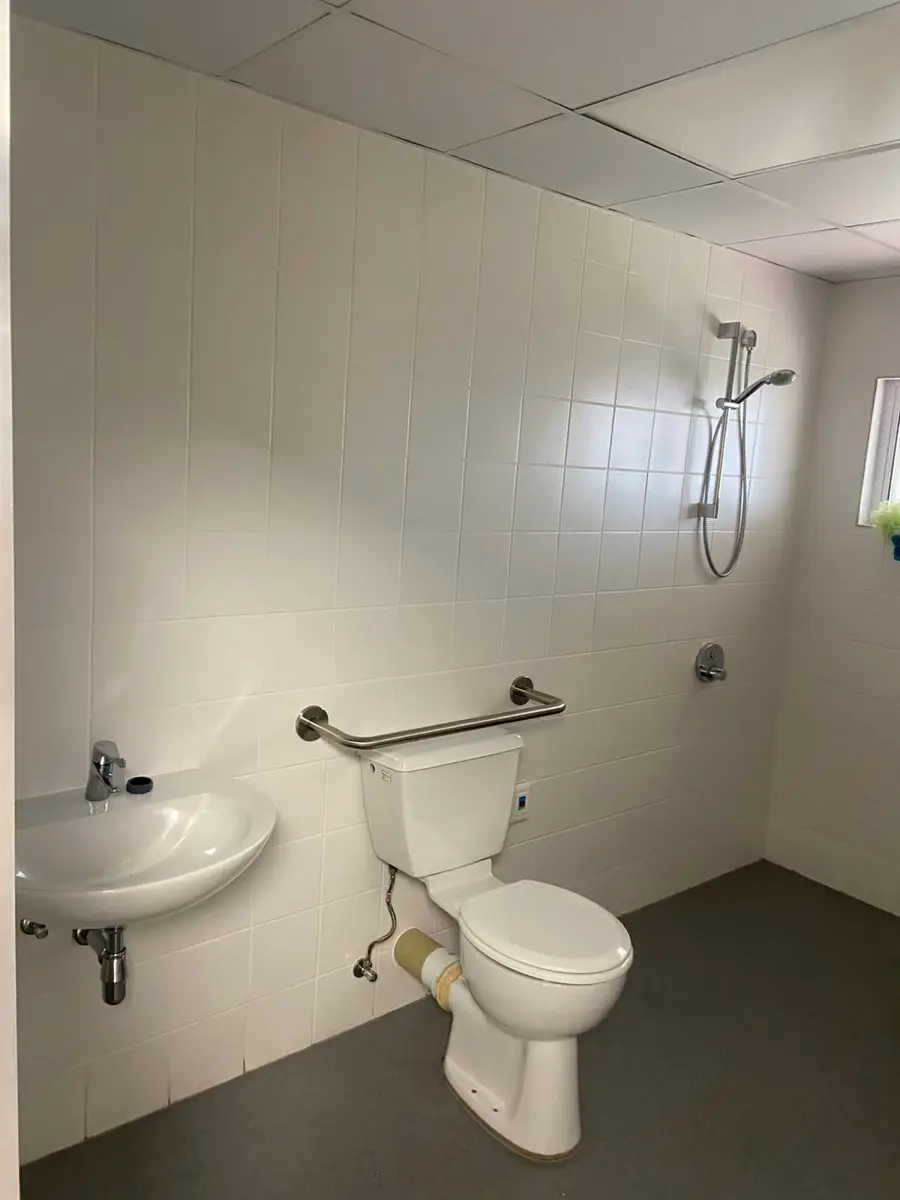
A bathroom may need work because it is difficult to use, not simply because it looks dated. A shower door that blocks the basin, slippery flooring or a bath that is awkward to climb into can justify a different layout. Measure the room and check door swings, standing space and access to taps before choosing fittings.
Damp walls, loose tiles, recurring drain problems or water escaping from the shower need investigation first. These symptoms do not automatically mean the whole bathroom must be stripped out: a localised repair may be enough. Equally, new tiles will not fix a leaking pipe or failed waterproofing underneath.
- Consider a cosmetic refresh when the layout, plumbing and wet-area protection are sound.
- Consider a broader renovation when access, drainage or the shower arrangement needs changing.
- Investigate unexplained damp before deciding which finishes to replace.
What affects bathroom renovation costs?
The scope of work matters more than the room’s size alone. Keeping a toilet near its existing waste connection can reduce alterations, while moving it across the room may involve opening floors and finding a workable drainage route. A walk-in shower also needs sufficient space, suitable floor levels and reliable water containment.
Ask for a written scope that separates plumbing, demolition, waterproofing, tiling, electrical work and finishing. Confirm who supplies fixtures, removes rubble and repairs opened walls. Agree how hidden defects or requested changes will be priced before additional work starts.
- The condition and accessibility of existing pipes and waste connections.
- Whether fixtures stay in place or require new supply and drainage routes.
- Waterproofing repairs, floor preparation and changes to shower levels.
- Fixture specifications, tile choices and compatibility with the water supply.
- Coordination between trades and any required approvals or documentation.
Practical planning for Gauteng homes
For a Gauteng renovation, check requirements with the relevant municipality where structural or drainage alterations are proposed. In a sectional-title property, also ask the body corporate about shared pipes, water shut-offs, working hours and renovation rules before booking demolition.
Do not assume existing pipes need replacing solely because the home is old. Have their condition assessed, along with water pressure, drainage and hot-water capacity. If this is your only bathroom, agree on temporary toilet and washing arrangements and ask when the water will need to be isolated.
- Check that replacement mixers and shower fittings suit the available pressure.
- Keep access to isolation valves and serviceable components.
- Plan ventilation to manage moisture after bathing.
- Allow for waterproofing curing and testing before tiling proceeds.
Why speak to Fox Plumbing about the plumbing?
Fox Plumbing is based in Benoni and serves the East Rand and greater Gauteng. Owner Evan Pretorius is a qualified registered plumber with more than 20 years’ experience and remains on the tools. Fox Plumbing is a member of IOPSA and PIRB, issues Certificates of Compliance (COCs), and every job is insured. Discuss the plumbing scope and applicable certification before work begins, and confirm who will handle the other renovation trades.
The price is agreed upfront, the call-out fee includes the first hour of work, and pensioners receive a special rate. To discuss your bathroom’s plumbing, phone 084 368 1879. Hours are Monday to Friday, 08:00–17:00, with Saturdays by appointment.
How we do the job
- 1
Assess the existing bathroom
Identify leaks, drainage faults and access problems. Inspect the plumbing and distinguish necessary repairs from optional changes.
- 2
Set the layout and scope
Measure the room, select compatible fixtures and confirm drainage feasibility before ordering. Allocate responsibilities between trades and agree the price and change process.
- 3
Strip out and complete concealed work
Isolate services safely and remove only what the agreed scope requires. Repair or alter supply and waste pipes, then test the new connections before concealing them.
- 4
Prepare and waterproof wet areas
Prepare stable surfaces and establish the required falls towards the shower waste. Have waterproofing installed, cured and tested according to the specified system before covering it.
- 5
Install finishes and fixtures
Complete tiling and fit the toilet, basin, bath or shower components. Coordinate any electrical work with a qualified electrician.
- 6
Test and hand over
Run taps and showers, flush the toilet and check drainage, joints and water containment. Obtain applicable compliance documents and instructions for maintaining seals and fittings.
Common questions
What is the difference between a renovation and a refresh? +
A refresh usually changes visible details such as paint, accessories or a basin mixer. A renovation has a broader scope, potentially involving tiles, waterproofing, fixtures or concealed plumbing. These terms overlap, so use a detailed scope rather than relying on the label.
Must I replace the geyser? +
Not automatically. Check its condition and whether it can support the proposed bathroom use. Adding another shower or changing shower flow rates may affect hot-water demand.
How long does a bathroom renovation take? +
The programme depends on demolition, pipe alterations, material availability and coordination between trades. Waterproofing and other materials need their specified curing times. Ask for a schedule after the bathroom has been assessed rather than relying on a generic completion promise.
Can a hidden leak be checked before removing tiles? +
Yes. Fox Plumbing offers non-invasive leak detection using harmless tracer gas and a detector, with no digging for the detection process. Most leaks are found within the hour. Repairing the identified leak may still require access through a wall or floor.
Will I need a Certificate of Compliance? +
Ask which compliance requirements apply to your particular plumbing alterations. Fox Plumbing issues plumbing COCs; confirm the applicable documentation as part of the agreed scope. Electrical alterations should be discussed separately with the electrician.