
Quick answer
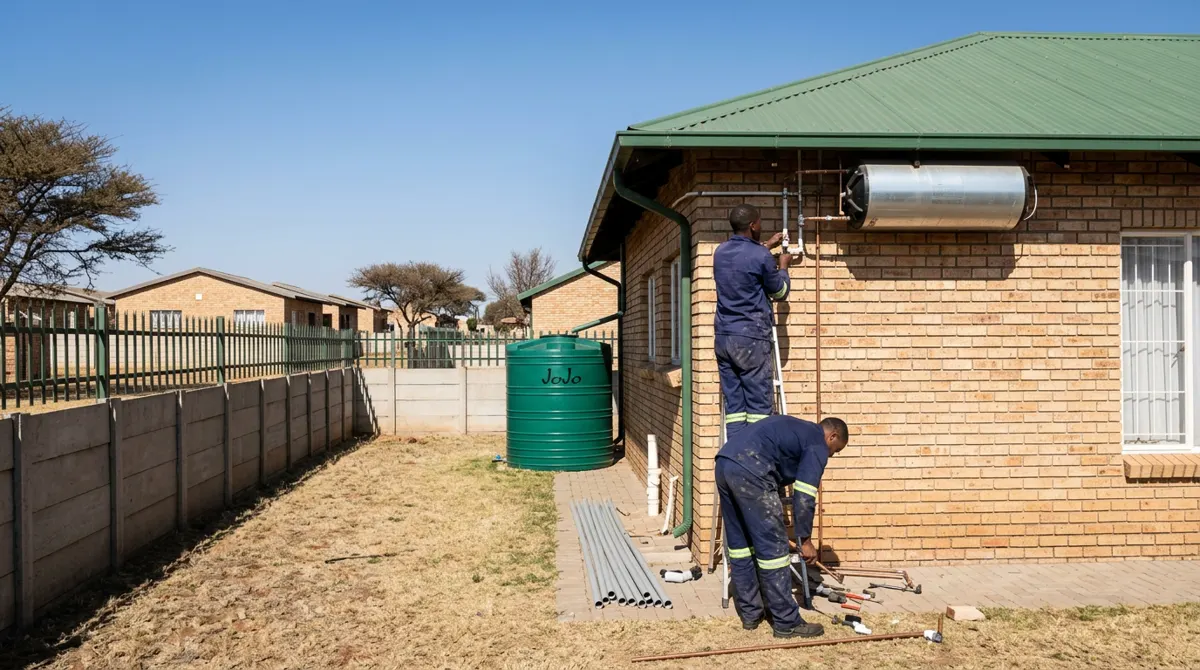
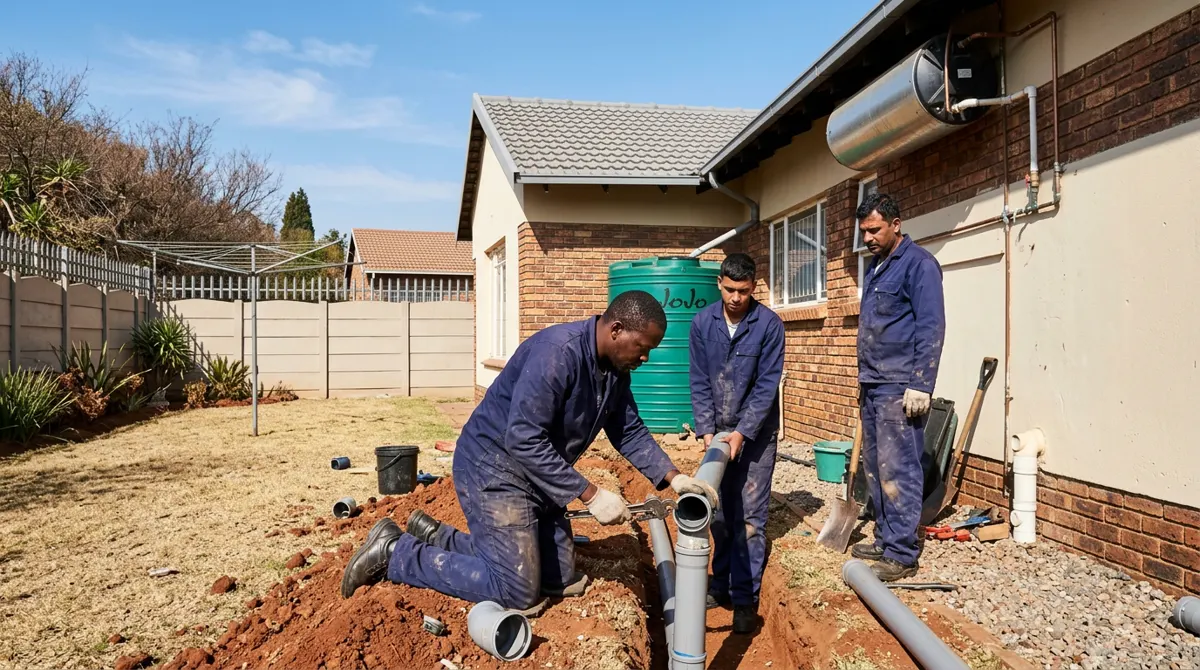
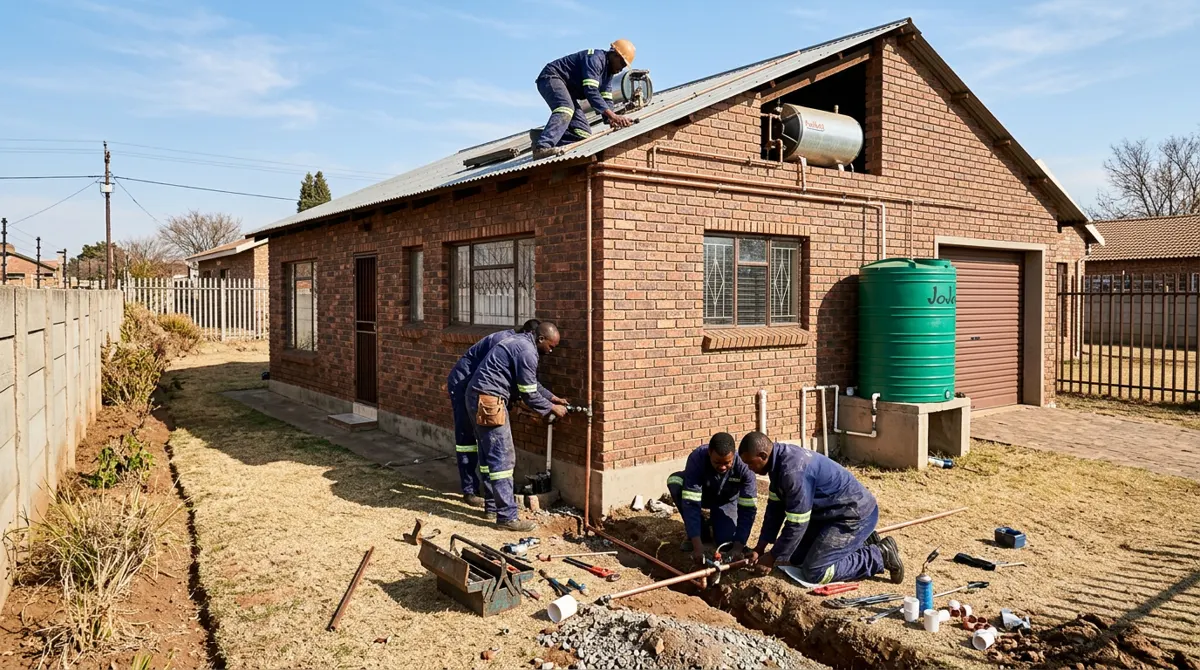
Commercial plumbing services cover the installation, repair and maintenance of water supply, hot-water and drainage systems in business premises such as offices, shops and restaurants. The work must account for how many people use the building, what the business does and how to carry out repairs without unnecessarily disrupting operations.
What commercial plumbing covers — and signs you need help
Commercial plumbing includes everyday repairs to taps, toilets and pipes, as well as leak investigations, drainage work, hot-water maintenance and plumbing changes during fit-outs. It is not simply residential plumbing with bigger pipes: a small office may have modest requirements, while a restaurant needs drainage suited to food preparation and frequent washing.
Arrange an assessment when problems recur, affect several fixtures or interfere with hygiene and normal use. Adding staff bathrooms, a kitchen or new water-fed equipment also warrants a check of the existing supply and drainage before installation starts. Chemical waste, process steam and fire-protection systems need specialist assessment rather than being treated as ordinary plumbing.
- Several toilets or basins drain slowly, suggesting a problem beyond one fixture.
- Water pressure drops when multiple outlets are used together.
- Water consumption rises without a matching change in business activity.
- Damp patches, persistent drain smells or recurring leaks appear.
- Hot water runs out during normal use, or its temperature becomes unreliable.
What affects the cost of commercial plumbing?
Cost depends on the fault, the system involved and the work needed to reach a lasting repair. A leaking fitting beside an accessible isolation valve is a different job from a concealed pipe serving several tenants. Commercial work is not automatically more expensive than domestic work; access, scale and complexity make the difference.
Before approving work, ask what the proposed scope includes: investigation, materials, labour, testing, documentation and any making good. If investigation reveals additional faults, agree on the revised scope and price before further work proceeds.
- The number of affected fixtures and the length, size and material of pipework.
- Access through ceilings, service ducts, walls or occupied areas.
- Whether the fault is visible or needs leak detection or further investigation.
- The condition of existing valves, connections and drainage.
- Shutdown coordination, tenant access and permitted working hours.
- Required testing, compliance documentation and reinstatement of finishes.
Practical planning for business premises in Gauteng
Gauteng properties fall under different municipalities, so confirm the applicable municipal requirements before altering water connections or drainage. Relevant SANS requirements also depend on the installation: SANS 10252 addresses water supply and drainage installations, while SANS 10254 concerns fixed electric storage water heaters. Ask which requirements apply to the actual work rather than assuming one certificate covers the whole building.
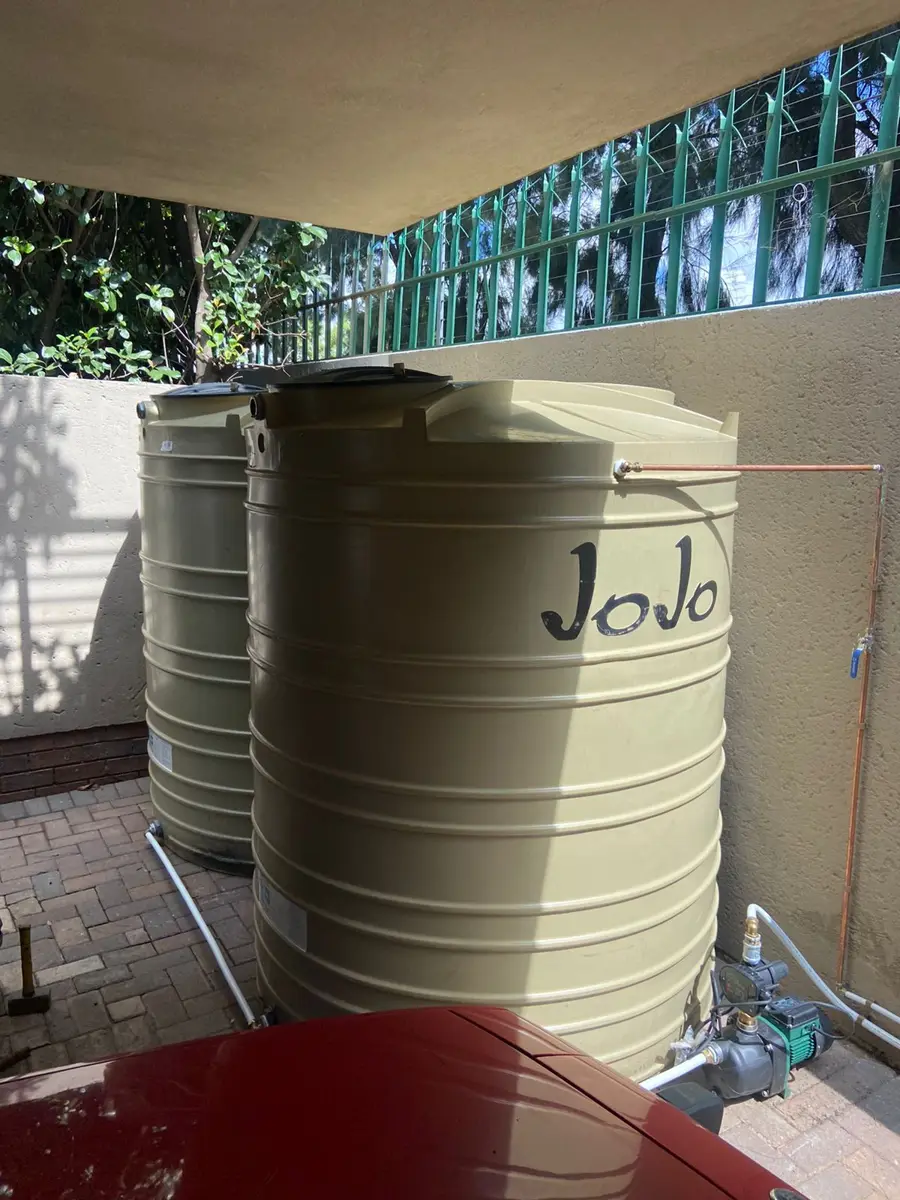
For shared premises, establish who can authorise repairs and who controls the isolation valves. Where supply interruptions occur, distinguish a municipal outage from an internal fault before replacing equipment. Any proposed storage tank or booster arrangement needs assessment for suitable pressure control and protection against backflow.
- Keep a record of shut-off valves, previous repairs and available plumbing drawings.
- Notify affected tenants before isolating a shared supply.
- Plan temporary toilet or handwashing arrangements if essential facilities will be unavailable.
- Report sewage overflows promptly and keep people away from contaminated areas.
- Base maintenance checks on usage, equipment requirements and previous faults.
Why contact Fox Plumbing?
Fox Plumbing is based in Benoni and serves the East Rand and greater Gauteng. Owner Evan Pretorius is a qualified registered plumber with more than 20 years of experience, is a member of IOPSA and PIRB, and issues Certificates of Compliance (COCs). He remains on the tools, every job is insured, the price is agreed upfront and the call-out fee includes the first hour of work.
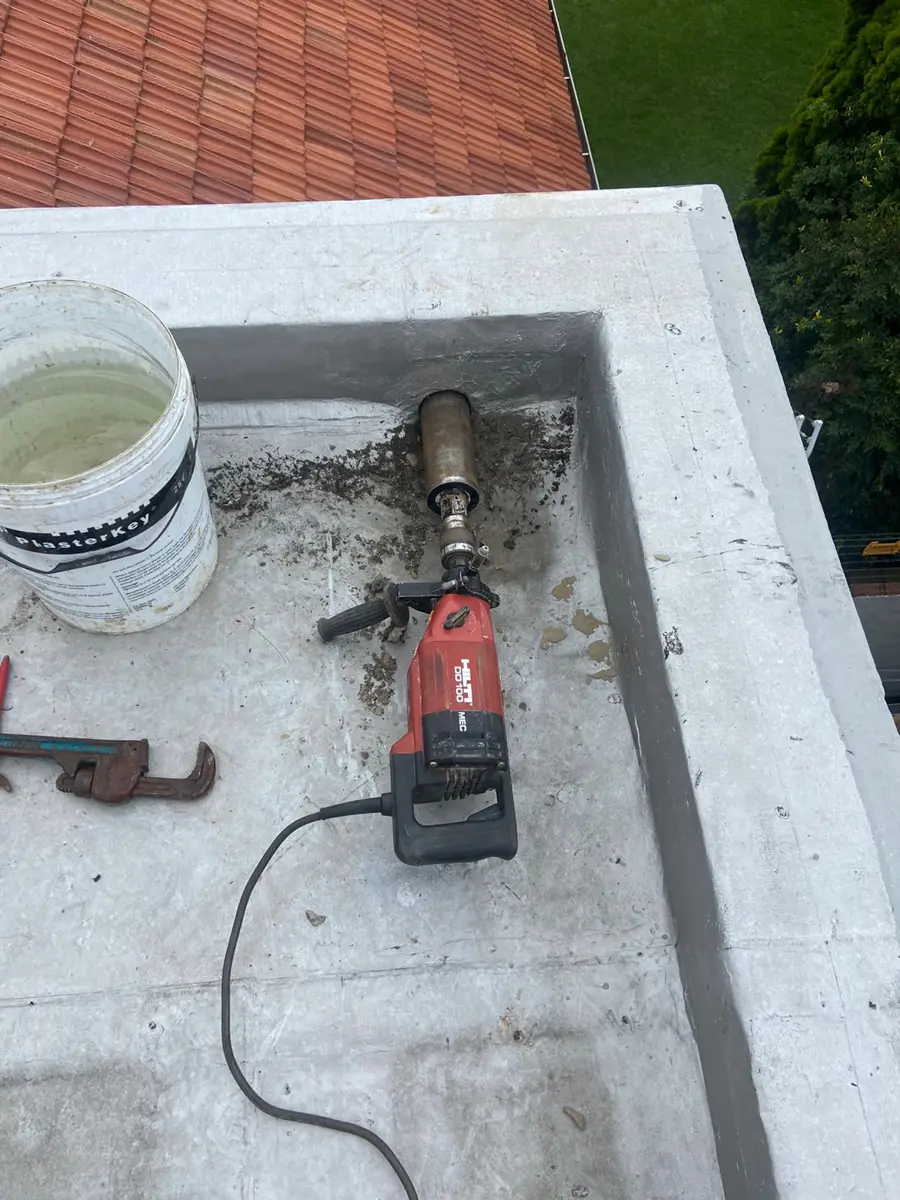
For concealed leaks, Fox uses non-invasive detection with harmless tracer gas and a detector. Most leaks are located within the hour without digging; accessing the pipe for repair may still require opening the affected area. Call 084 368 1879 to discuss your premises and the scope required. Hours are Monday to Friday, 08:00–17:00, and Saturday by appointment.
- Describe the building type, symptoms and number of affected outlets when enquiring.
- Send photographs and explain any access or shutdown restrictions.
- Confirm the proposed work, timing and applicable COC requirements before proceeding.
How we do the job
- 1
Define the problem and operational constraints
Record when the fault occurs, which areas it affects and whether the premises can remain in use. Confirm who can approve work and arrange access.
- 2
Inspect and investigate
Check the relevant fixtures, valves, pipework and drainage. Use suitable diagnostic methods where the cause is concealed rather than assuming the visible symptom identifies the fault.
- 3
Agree on the scope and price
Explain the findings, proposed repair or alteration, materials and likely disruption. Clarify any exclusions and the documentation needed.
- 4
Isolate and complete the work
Notify affected users, isolate the necessary services and protect the work area. Carry out the agreed work, referring specialist systems to appropriately qualified practitioners.
- 5
Test and hand over
Restore the supply and check for leaks, suitable flow and correct drainage as relevant. Explain maintenance needs, record the work and provide applicable compliance documentation.
Common questions
How is commercial plumbing different from residential plumbing? +
The main differences are usage patterns, building layout and operational requirements. Several fixtures may run at once, pipework may serve multiple tenants, and repairs may need coordinated shutdowns. Not every commercial property needs larger pipes; sizing should match the actual demand.
Does every commercial plumbing repair need a COC? +
Not every minor repair has the same certification requirements. Ask the plumber to confirm what applies to the specific installation or alteration, including relevant municipal and insurer requirements. A COC for particular work should not be treated as approval of unrelated existing plumbing.
Can a business stay open during plumbing repairs? +
Sometimes, if the affected area can be isolated and safe toilets, handwashing and other essential facilities remain available. Shared supply interruptions, sewage contamination or work affecting food preparation may require restrictions or a temporary closure of the affected area.
Does non-invasive leak detection mean there will be no excavation? +
It means the leak can be located without digging as part of the detection process. Fox uses harmless tracer gas and a detector for this. Repairing the damaged pipe may still require excavation or opening a wall or floor.
What information should I have ready when calling Fox Plumbing? +
Provide the address, type of premises, symptoms, when the problem started and whether one or several outlets are affected. Mention any active flooding, sewage overflow, access restrictions or shared water supply, and send photographs if safe to do so.