
Quick answer
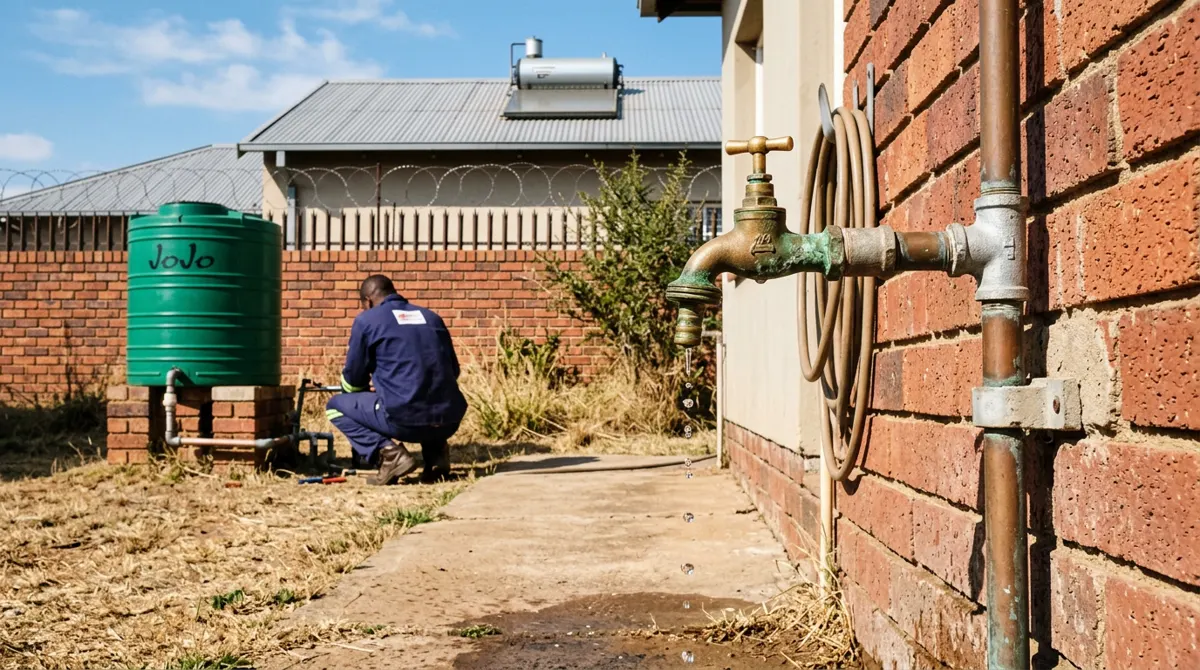
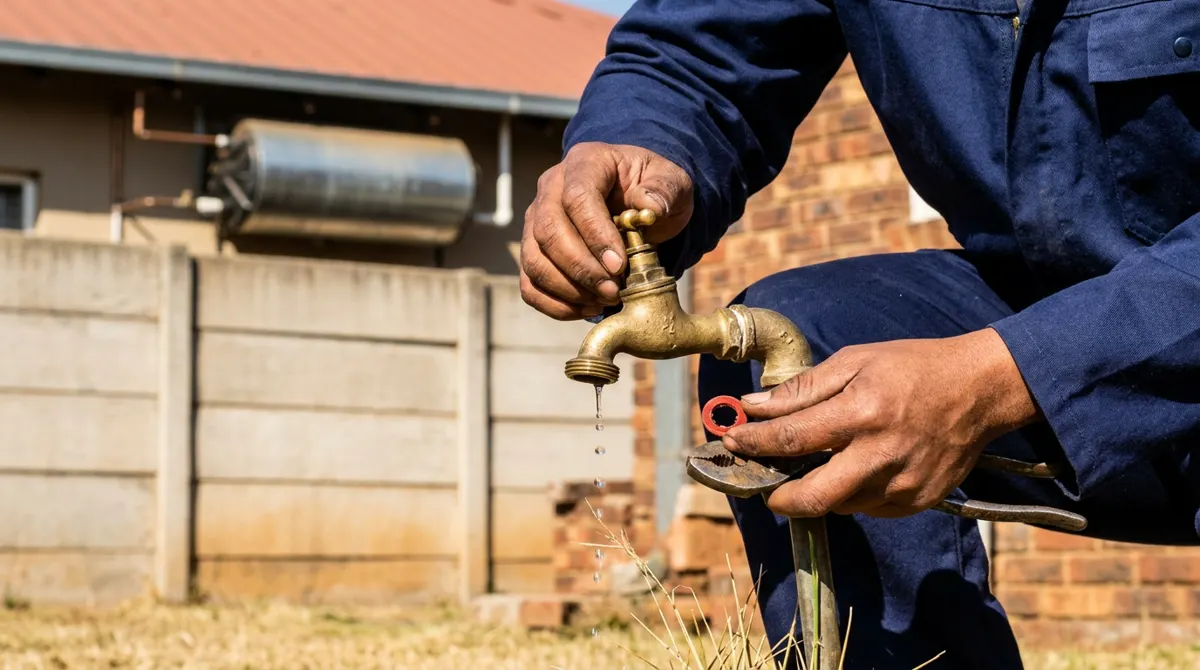
A dripping tap releases water from its spout even when it is fully closed, usually because a washer, valve seat or cartridge no longer seals properly. A few drops immediately after use can be trapped water draining out, but persistent dripping needs attention. The right repair depends on the tap’s mechanism and where the water is escaping.
Signs your tap needs attention
A tap should shut off without extra force. Repeated dripping, a handle that needs increasingly firm tightening, or water around the handle are signs that something needs checking. A traditional screw-down tap often uses a rubber washer; quarter-turn taps and single-lever mixers commonly use ceramic mechanisms or cartridges.
Check the leak’s location before assuming a washer will solve it. Water from the spout while the tap is closed points towards the shut-off mechanism. Water around the handle, swivel joint or beneath the basin may come from seals, connections or flexible supply hoses instead. Dry the area, then watch where fresh water first appears.
- Persistent spout drip: possible worn washer, damaged seat, debris or faulty cartridge.
- Wet handle or swivel joint: possible spindle seal or O-ring problem.
- Water inside the cupboard: inspect promptly, as a supply connection may be leaking.
- A drip that returns after repair: check component fit, seat condition and water pressure rather than repeatedly replacing washers.
- Avoid forcing the handle closed; excessive tightening can damage the mechanism.
What affects the cost of fixing a dripping tap?
The work depends on the tap type, its condition and access to the supply valves. Replacing an accessible washer is different from removing a seized cartridge or sourcing a manufacturer-specific part. A damaged valve seat may need attention before a new washer can seal.
Replacement may be more practical when the tap body is badly corroded, cracked or no longer supported with suitable spare parts. Fox Plumbing agrees the price upfront, and the call-out fee includes the first hour of work. Ask what parts and any additional work are included in the agreed scope.
- Washer, seal or cartridge type and availability.
- Corrosion, seized fittings and the condition of the valve seat.
- Access beneath the basin, sink or bath.
- Whether local isolation valves work or the property supply must be shut off.
- Any confirmed pressure issue or damage requiring work beyond the tap itself.
Practical advice for Gauteng homes and workplaces
Before dismantling a tap, locate its isolation valve and confirm that it shuts off the supply. A mixer may need both hot and cold supplies isolated. In a sectional-title property or workplace with shared plumbing, arrange access and any necessary shut-off with the responsible person first.
Do not assume that every damp patch or higher water bill comes from a visible drip. A tap leak and a concealed pipe leak can exist together. Pressure can also vary with supply conditions, but a drip that appears only at certain times is a reason to test pressure—not proof that pressure is the cause.
- Report leaks early in rented premises and follow the agreed repair process.
- If water is escaping into a cupboard or onto the floor, isolate the affected supply if safe to do so.
- Keep water away from electrical fittings; do not touch wet switches or appliances.
- For unexplained damp or suspected concealed leaks, request an investigation rather than opening walls at random.
Dripping tap help from Fox Plumbing
Fox Plumbing is based in Benoni and serves the East Rand and greater Gauteng. Owner Evan Pretorius is a qualified registered plumber with more than 20 years’ experience and is on the tools. He is a member of IOPSA and PIRB and issues Certificates of Compliance (COCs). Every job is insured, and pensioners receive a special rate.
For suspected concealed leaks, Fox Plumbing also offers non-invasive detection using harmless tracer gas and a detector. Most leaks are found within the hour, with no digging for detection; accessing and repairing the pipe is a separate matter. For a tap repair, phone 084 368 1879, Monday to Friday, 08:00–17:00, or arrange a Saturday appointment.
- Send a photo of the tap and describe whether it leaks from the spout, handle or underneath.
- Mention whether the leak is constant or happens only when the tap is running.
- Confirm the upfront price, included work and any applicable pensioner rate before work begins.
How we do the job
- 1
Identify the source
Dry the fixture and inspect it with the tap both open and closed. Distinguish a spout drip from a leaking joint, seal or supply hose.
- 2
Isolate the water safely
Close the relevant supply valves and open the tap to release residual pressure. Confirm that flow stops before removing any components.
- 3
Inspect the mechanism
Remove the appropriate handle and internal assembly. Check the washer, seat, seals or cartridge for wear, debris and damage.
- 4
Agree and carry out the repair
Confirm the repair scope and price before proceeding. Fit compatible components, address a repairable seat where needed, or replace a tap that cannot be repaired reliably.
- 5
Restore supply and test
Turn the supply back on gradually. Run and close the tap several times, check for persistent drips, and inspect underneath for leaks. Investigate pressure if the symptoms warrant it.
Common questions
Can I fix a dripping tap myself? +
A straightforward washer change may suit someone comfortable with basic plumbing, provided the supply isolates properly and the correct part is available. Stop if fittings are seized, the tap type is unfamiliar or water will not shut off. Ceramic cartridges are not interchangeable simply because they look similar.
Why does my tap still drip after a new washer? +
The washer may be the wrong size, the valve seat may be damaged, or debris may prevent a tight seal. Excessive pressure can also contribute. Check the underlying cause rather than tightening the handle harder.
Does a mixer tap have a washer? +
Many single-lever mixers control flow through a cartridge rather than a traditional replaceable tap washer. They can still contain other seals and O-rings. The exact repair depends on the model and the leak location.
Is a dripping tap an emergency? +
A slow drip contained within a freely draining basin usually needs a planned repair rather than emergency action. Water escaping onto floors, inside cupboards or near electrical fittings is more urgent. Isolate the affected supply if safe and arrange help promptly.
Will leak detection be needed for a dripping tap? +
Usually not when the source is clearly visible at the tap. Concealed-leak investigation becomes relevant when there is unexplained damp, running-water noise or evidence of water loss that the visible drip does not explain.