
Quick answer
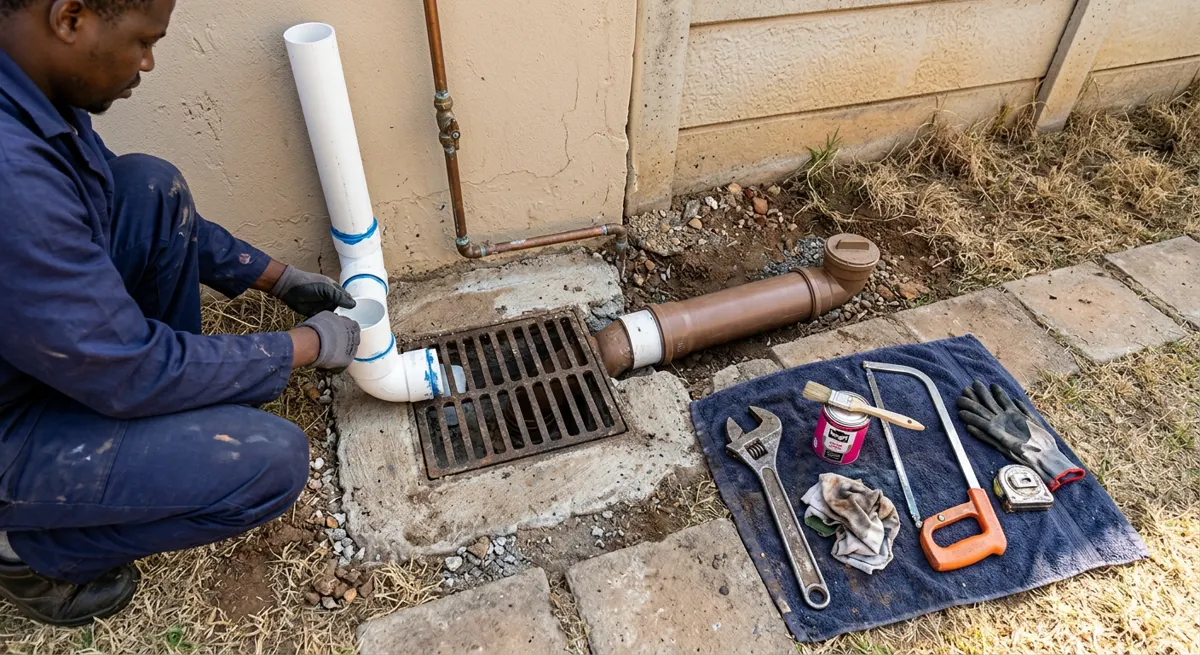
A gulley, also spelt gully, is a trapped outdoor drainage fitting that receives wastewater from connected fixtures such as sinks, baths and showers. Its water seal blocks sewer gases from escaping through the opening, while its outlet carries wastewater into the underground foul-water drainage system. It is not a stormwater drain, and not every fixture in a home drains through one.
How a gulley works — and signs it needs attention
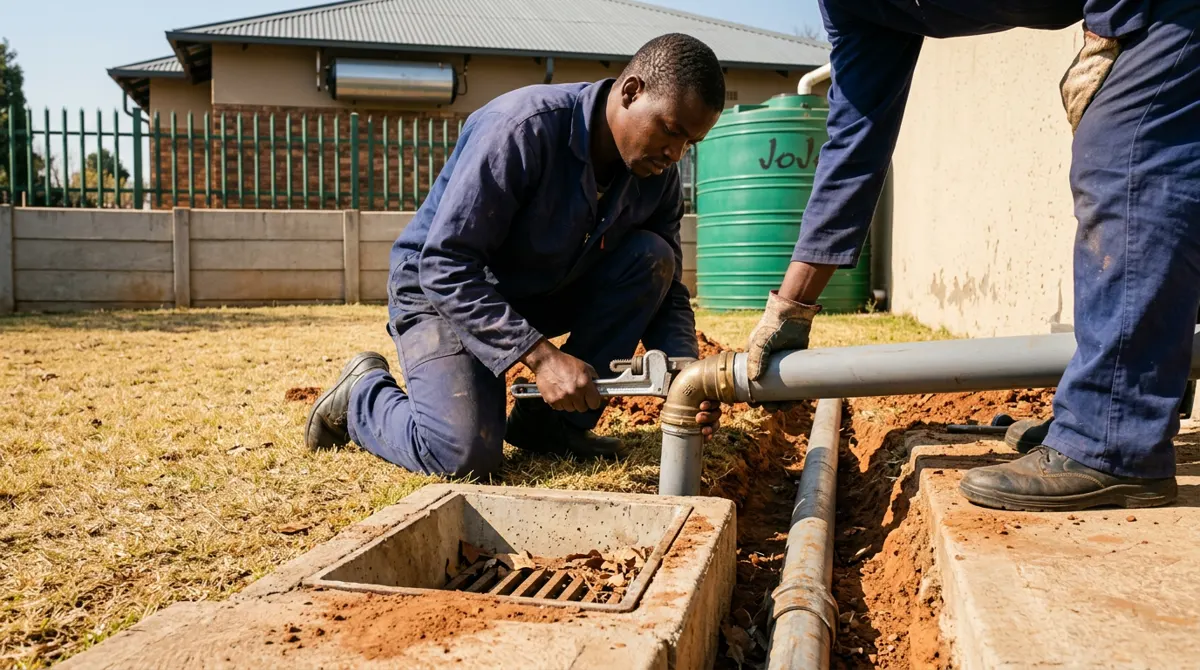
You will usually find a gulley outside near a kitchen, bathroom or laundry, with a grate over its opening. Wastewater enters the fitting, passes through the trap and flows towards the sewer connection or another approved wastewater disposal system. Some water stays behind in the trap: this is the seal that keeps sewer gases out. Toilet waste travels through soil pipes, not into an open gulley.
Water sitting below the outlet level inside the trap is normal. Water rising towards the grate, draining unusually slowly or spilling onto the ground is not. A correctly positioned gulley can provide an outside overflow point during a downstream blockage, but it does not guarantee that indoor fixtures cannot back up.
- Overflow when a bath empties or a washing machine drains can indicate a restricted trap or downstream pipe.
- Persistent smells may come from a dry water seal, trapped food and grease, or a damaged fitting.
- Several fixtures draining slowly together suggest a shared drainage problem rather than one blocked sink.
- A broken grate allows larger debris into the gulley and leaves an unsafe opening.
- Wet or sinking ground nearby needs investigation; it does not prove that the gulley itself is leaking.
What affects the cost of gulley repairs?
The main cost question is whether the problem is confined to the gulley or lies further along the drain. Removing accessible debris is a different job from clearing roots, repairing a cracked trap or replacing a damaged underground pipe. Repeated blockages warrant investigation rather than assuming another clearing will solve the cause.
Access and surrounding finishes also matter. A gulley in an open garden is generally easier to reach than one enclosed by paving or a later building addition. For renovations, the plumber must assess pipe routes, gradients, capacity and connection positions before deciding whether an existing gulley can serve the altered layout.
- Location, severity and cause of the blockage.
- Condition of the trap, outlet and connecting pipework.
- Access for clearing equipment and any excavation required.
- Replacement fittings and changes to the drainage layout.
- Lifting and reinstating paving, concrete or landscaping.
Practical gulley care for Gauteng homes
Keep roof and surface runoff separate from wastewater drainage. During Gauteng summer storms, rainwater entering a gulley can add unnecessary load to the sewer. If a gulley overflows mainly when it rains, have the surrounding levels, rainwater connections and downstream drainage checked rather than assuming the grate is simply blocked.
Paving or patio alterations must not bury the gulley, seal its opening or direct runoff into it. Its rim and overflow level need to suit both the surrounding ground and the building’s drainage arrangement. A gulley is not a substitute for proper drain ventilation.
- Keep the grate in place and clear loose leaves and litter from its surface.
- Keep cooking fat, food scraps, cement washings and paint out of the drain.
- If an unused gulley smells and is not backing up, gently add clean water to replenish its seal.
- Do not reach into dirty standing water or mix chemical drain cleaners.
- If sewage overflows, stop using connected fixtures where possible, keep children and pets away, and arrange plumbing help.
Gulley advice and repairs from Fox Plumbing
Fox Plumbing is based in Benoni and serves the East Rand and greater Gauteng. Owner Evan Pretorius is a qualified registered plumber with more than 20 years’ experience, is a member of IOPSA and PIRB, and remains on the tools. Fox Plumbing issues Certificates of Compliance (COCs); ask whether your planned work requires one.
The price is agreed upfront, the call-out fee includes the first hour of work, pensioners receive a special rate, and every job is insured. To discuss a smelly, blocked or damaged gulley, phone 084 368 1879. Hours are Monday to Friday, 08:00–17:00, with Saturdays by appointment.
- Describe whether the problem is a smell, slow drainage, overflow or visible damage.
- Mention whether one fixture or several are affected, and whether rain changes the symptoms.
- Send a photograph of the gulley and its surroundings if it is safe to do so.
How we do the job
- 1
Identify the gulley and connected fixtures
The plumber establishes what drains into the fitting and asks when the symptoms occur. This helps distinguish a local trap blockage from a problem in the shared drain.
- 2
Inspect the trap and surroundings
Checks include the grate, water seal, visible damage, incoming pipes, access and surrounding ground levels. Signs of stormwater entering the wastewater system also need attention.
- 3
Clear the obstruction appropriately
Accessible debris is removed safely. If the restriction is further downstream, suitable drain-clearing equipment is used through an appropriate access point.
- 4
Investigate and repair defects
Recurring trouble or evidence of damage may require further investigation. Any necessary replacement, excavation or layout changes should be explained and priced before that work proceeds.
- 5
Test flow and leave access clear
Water is run from connected fixtures to check drainage and inspect accessible joints for leaks. The grate is refitted, the water seal checked, and the gulley left accessible for maintenance.
Common questions
Is a gulley the same as a stormwater drain? +
No. A wastewater gulley receives discharge from connected plumbing fixtures and has a water-sealed trap. A stormwater drain carries rainwater. Do not connect downpipes or driveway drainage to a wastewater gulley.
Should there always be water in my gulley? +
There should normally be water in its trap to maintain the seal. That is different from water pooling at the grate or overflowing. If the seal repeatedly disappears after refilling, have the fitting and drainage arrangement checked.
Why does my gulley still smell after I add water? +
Adding water only helps if the seal has dried out. Grease, decomposing debris, a blockage or a damaged trap can also cause smells. Persistent odours need inspection rather than repeated doses of drain cleaner.
Can my washing machine discharge into a gulley? +
A suitable gulley may receive washing-machine wastewater, but the connection must follow the appliance instructions and applicable plumbing requirements. Do not simply push a loose hose through the grate: hose height, securing, discharge arrangement and drain capacity all matter.
Can I cover a gulley to hide it? +
Keep its drainage opening and maintenance access functional. Do not seal it with concrete, paving or an airtight lid to hide it or suppress smells. Ask a plumber about a suitable cover arrangement that preserves its intended operation.