
Quick answer
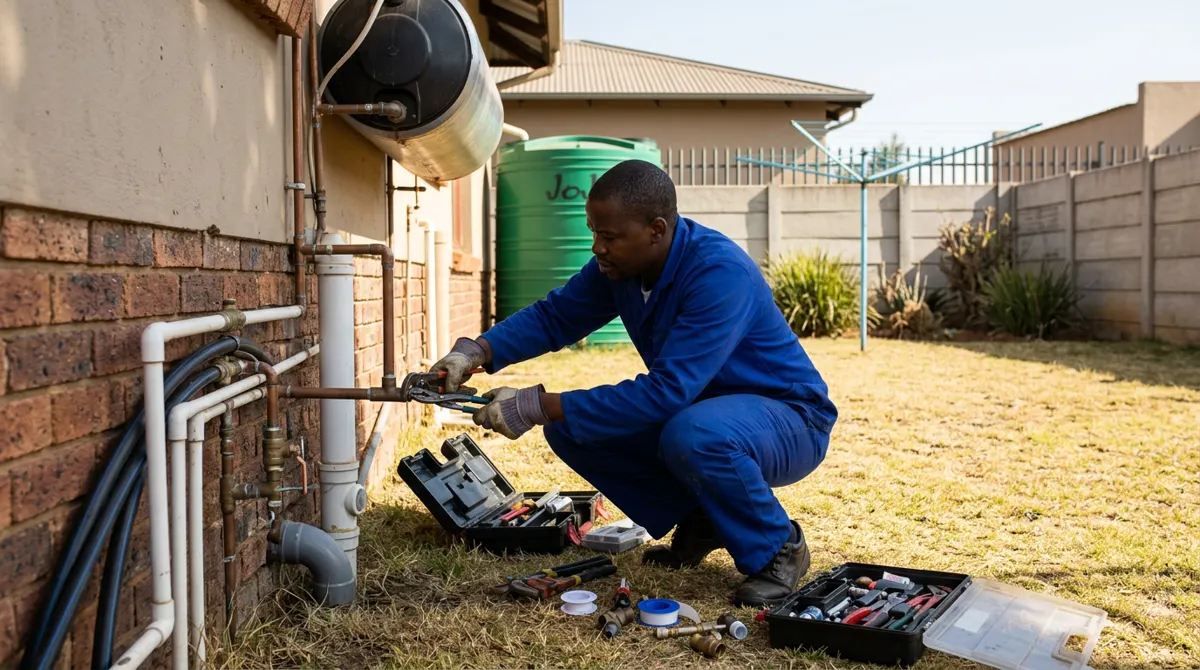
Plumbing maintenance is the routine inspection, cleaning and testing of pipes, taps, toilets, drains, geysers and valves to keep them working properly. It helps identify leaks, wear and drainage problems before they cause bigger disruptions, although it cannot prevent every failure. Unlike an emergency repair, maintenance is planned around the condition of your plumbing and the equipment manufacturer’s requirements.
Signs your plumbing needs attention
Some faults are obvious: a dripping tap, a toilet that keeps refilling or water collecting beneath a sink. Others show up as an unexplained increase in water use, damp cupboards, peeling paint or a drain that empties more slowly each week. These signs deserve investigation rather than repeated temporary fixes.
A basic check starts with observation. Look at accessible pipe joints, check around toilet bases and note any changes in pressure or hot-water performance. Do not remove geyser electrical covers, adjust safety valves or climb into an unsafe roof space.
- Check beneath sinks and basins for moisture, staining and swollen cupboard panels.
- Listen for a toilet cistern refilling when nobody has flushed it.
- Investigate recurring drain smells, gurgling or slow drainage.
- Watch for persistent water discharge from geyser pipework; some expansion discharge can be normal, but continuous flow needs assessment.
- Treat sewage overflow, a ceiling bulge or water near electrical fittings as urgent faults, not routine maintenance.
What affects plumbing maintenance costs?
The cost depends on the scope of the inspection, access to the plumbing and what needs attention. Checking accessible taps and toilets is different from tracing concealed water loss or servicing equipment in a restricted roof space. A useful maintenance visit targets the property's actual risks rather than replacing parts simply because they are old.
Fox Plumbing agrees the price upfront, and the call-out fee includes the first hour of work. Ask what the agreed scope covers, including parts and any additional investigation. Pensioners receive a special rate.
- The number of bathrooms, fixtures, geysers and other water-system components.
- The condition and accessibility of pipes, valves and drainage points.
- Whether specialist leak detection is needed.
- The type and availability of replacement parts.
- The extent of cleaning, servicing or repairs identified during assessment.
A practical maintenance routine for Gauteng properties
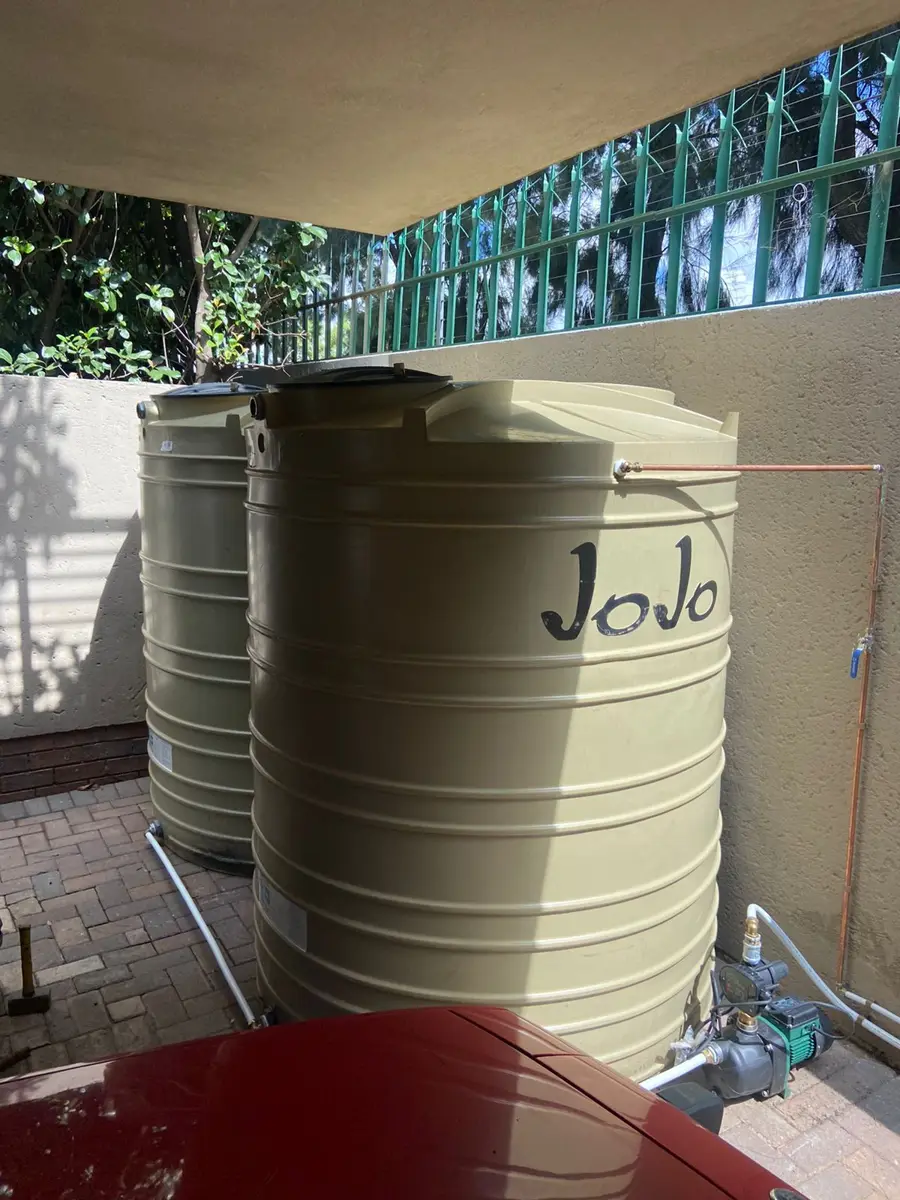
For properties in Gauteng, note whether pressure changes affect the whole property or only one outlet. If neighbours are affected too, check for a municipal supply notice before assuming the fault is inside your plumbing. Where a property has a storage tank or booster pump, include its connections, controls and manufacturer-recommended servicing in the maintenance plan.
Between professional visits, keep strainers clear, put cooking fat in the bin rather than down the sink, and keep accessible outdoor drainage points free of leaves and litter. Locate your main stopcock before an emergency. If it is stiff or seized, have it assessed rather than forcing it.
- Use an annual professional review as a starting point, with timing adjusted for equipment requirements, age and recurring faults.
- With all outlets and water-using appliances off, check whether the water meter still moves; account for toilet and tank refilling before suspecting a leak.
- Keep dated notes of unusual readings, damp patches and repairs to help identify repeat problems.
- Follow the geyser manufacturer's service schedule; anode inspection applies to models fitted with a sacrificial anode.
- Check your insurance policy's maintenance conditions and retain service records without assuming maintenance guarantees claim approval.
Why choose Fox Plumbing for maintenance?
Fox Plumbing is based in Benoni and serves the East Rand and greater Gauteng. Owner Evan Pretorius is a qualified registered plumber with more than 20 years of experience and remains on the tools. He is a member of IOPSA and PIRB and issues Certificates of Compliance (COCs). Every job is insured.
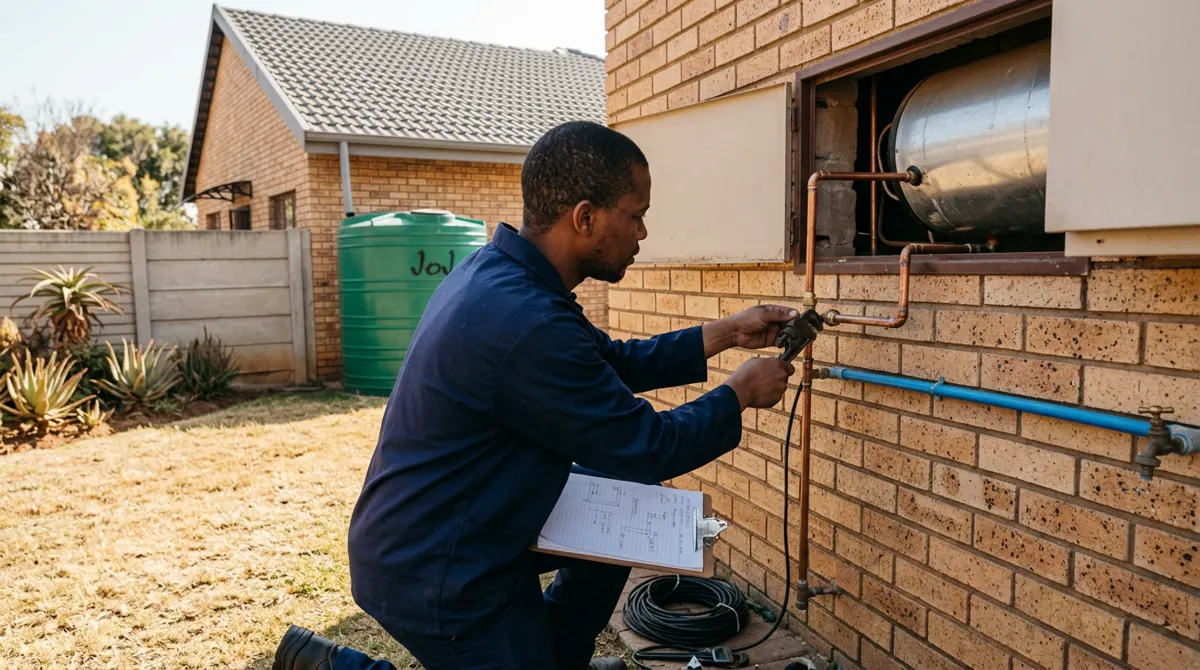
For suspected hidden leaks, Fox uses non-invasive detection with harmless tracer gas and a detector. Most leaks are found within the hour, without digging during detection; accessing and repairing the damaged pipe is a separate matter. To discuss maintenance, phone 084 368 1879. Hours are Monday to Friday, 08:00–17:00, with Saturdays by appointment.
- Owner on the tools.
- Price agreed upfront.
- Call-out fee includes the first hour of work.
- Special rate for pensioners.
How we do the job
- 1
Discuss the property and agree the scope
Describe recurring faults, changes in water use and previous repairs. Identify which fixtures and equipment need checking, then agree the work and price before proceeding.
- 2
Inspect accessible plumbing
Check visible pipework, joints, flexible connectors, taps, toilets and waste connections for leaks, corrosion, wear and signs of movement. Note areas that cannot be safely accessed.
- 3
Check operation and investigate symptoms
Assess drainage, toilet filling, pressure and accessible isolation valves as appropriate. Arrange targeted leak detection where water loss cannot be explained by visible faults.
- 4
Assess geyser and equipment servicing needs
Review the geyser's visible condition, discharge arrangements and service requirements. Where tanks or pumps are installed, include relevant checks. Electrical testing and repairs should be handled by an appropriately qualified person.
- 5
Complete agreed maintenance and retest
Carry out approved cleaning, servicing or component replacement. Confirm approval before additional work, then check affected connections for leaks and test operation.
- 6
Record findings and plan follow-up
Keep a record of completed work, unresolved concerns and recommended service dates. Ask whether the work requires a COC and retain any certificate issued with your property records.
Common questions
How often should plumbing maintenance be done? +
An annual professional review is a practical starting point, not a universal requirement. Older plumbing, repeated blockages or heavily used premises may need more frequent attention. Follow the specific servicing requirements for your geyser, pumps and other equipment.
Can I do plumbing maintenance myself? +
You can inspect accessible areas, clean removable strainers and monitor water use. Leave concealed leaks, geyser servicing, safety valves and electrical work to appropriately qualified professionals. Avoid mixing drain chemicals, and tell the plumber if you have already used any.
Does maintenance include unblocking drains? +
Drain checks and appropriate cleaning can form part of an agreed maintenance scope. An existing blockage needs corrective work, and a recurring blockage may require investigation into its cause rather than another clearing alone.
Does a plumbing COC replace regular maintenance? +
No. A COC relates to the plumbing work and compliance covered by that certificate; it is not a guarantee that every part of the property will remain fault-free. Continue routine checks and equipment servicing after certified work.
Can a hidden leak be found without digging? +
Fox Plumbing uses harmless tracer gas and a detector to locate hidden leaks non-invasively, with most found within the hour. Detection does not require digging, but the eventual repair may require access through paving, flooring or other surfaces.