
Quick answer
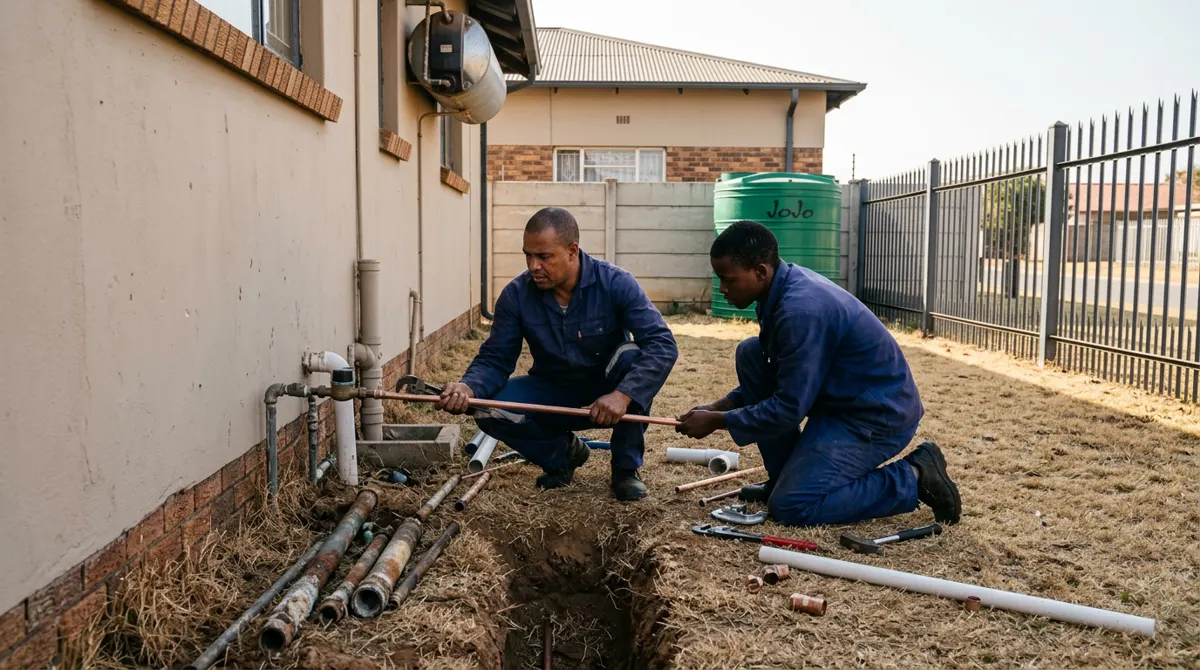
Replacing deteriorating pipes before they burst can reduce the risk of flooding, repeated repair bills and unplanned water interruptions. Recurring leaks, visible corrosion and persistent rusty water warrant an assessment, but none automatically means your whole property needs new pipes. Fox Plumbing serves the East Rand and greater Gauteng, helping establish whether a local repair or planned replacement is appropriate.
Signs your pipes need more than another patch
A single leaking joint may need only a repair. Leaks appearing at several points on the same pipe run, or returning soon after repairs, are stronger reasons to investigate the condition of the surrounding pipework.
Low pressure and discoloured water need diagnosis rather than an automatic replacement quote. A blocked tap aerator, faulty valve or municipal supply problem can produce similar symptoms. Note which taps are affected, whether the problem involves hot or cold water, and when it started.
- Recurring pinhole leaks or bursts along the same supply line.
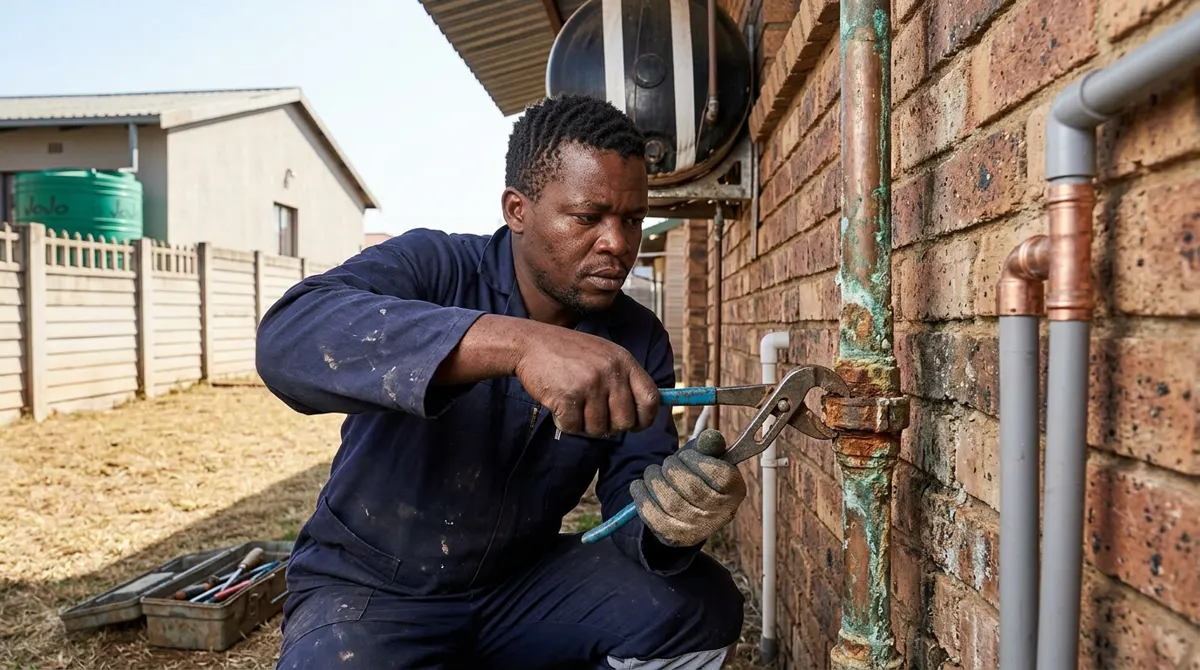
- Flaking corrosion or persistent dampness around exposed pipes and joints.
- Rust-coloured water that keeps returning rather than clearing after a brief interruption.
- Unexplained damp patches, peeling paint or a rising water bill without increased use.
- Poor flow at several outlets after supply and valve problems have been ruled out.
What affects pipe replacement cost
The scope should follow the evidence: replacing a short damaged section is different from renewing a concealed supply run. Pipe condition, access and the route for replacement pipework all influence the work required.
Before agreeing to the job, clarify whether the scope includes opening walls or floors, removing old pipework, testing and making good afterwards. Fox Plumbing agrees the price upfront, and its call-out fee includes the first hour of work. Pensioners receive a special rate.
- Length, diameter and material of the replacement pipe.
- Number of branches, valves, fittings and connections involved.
- Access behind cupboards, inside walls, under floors or underground.
- Whether a practical alternative route can reduce disruption.
- Leak detection, testing and any required compliance documentation.
- Extent of plastering, tiling or paving reinstatement included in the agreed scope.
Practical checks for Gauteng homes and properties
After a municipal interruption, establish whether neighbours also have low pressure or discoloured water before assuming your pipes have failed. In complexes, check with the managing agent or body corporate whether the affected line is private or shared; shared supplies may need coordinated isolation and access.
If you suspect a concealed leak, turn off taps and water-using appliances, allow toilet cisterns to finish filling, then check whether your water meter continues moving. Movement suggests water is still being used or escaping, but does not locate the fault. For an active burst, close the property's water isolation valve if safe and contact a plumber. Keep clear of water near electrical fittings.
- Know where your isolation valve is before a leak becomes urgent.
- Keep records of previous leaks, repairs and affected rooms.
- Arrange access to meters, cupboards and shared service areas before an assessment.
- Plan the water shut-off around household or business needs.
Why use Fox Plumbing for an early assessment?
Fox Plumbing is based in Benoni and serves the East Rand and greater Gauteng. Owner Evan Pretorius is a qualified registered plumber with more than 20 years' experience and remains on the tools. He is a member of IOPSA and PIRB and issues Certificates of Compliance (COCs). Every job is insured.
For concealed leaks, Fox Plumbing uses non-invasive detection with harmless tracer gas and a detector. Most leaks are found within the hour, without digging during detection; accessing the pipe for repair or replacement may still require opening up. Phone 084 368 1879 to arrange an assessment: Monday to Friday, 08:00–17:00, or Saturday by appointment.
- Owner on the tools.
- Price agreed upfront.
- Call-out fee includes the first hour of work.
- Special rate for pensioners.
How we do the job
- 1
Review the symptoms and repair history
Identify affected outlets and previous leak locations. Check accessible pipework and distinguish a property-side fault from a supply interruption or isolated fitting problem.
- 2
Locate concealed leaks where necessary
Use suitable leak detection to narrow down the fault before opening surfaces. Fox Plumbing's tracer-gas detection does not require digging, although subsequent pipe access may.
- 3
Agree the replacement scope
Decide whether the evidence supports a local repair, replacement of one run or broader renewal. Agree the route, materials, price, access requirements and reinstatement responsibilities before work begins.
- 4
Isolate the water and replace affected pipework
Arrange the shut-off, drain the affected section and install suitable replacement pipework with appropriate fittings and supports. Coordinate any shared-supply interruption beforehand.
- 5
Test and hand over
Test the completed work for leaks, flush the affected lines and check operation at relevant outlets. Confirm isolation-valve locations and any applicable COC requirements.
Common questions
Does one burst mean all my pipes need replacing? +
No. An isolated failure may be repairable without replacing the rest. Repeated failures, widespread corrosion or deterioration along a pipe run justify assessing a larger section.
Should pipes be replaced purely because they are old? +
Age is a reason to inspect, not a diagnosis. Material, visible condition, leak history and installation quality help determine whether replacement is justified.
Can leak detection avoid breaking walls or digging? +
Fox Plumbing uses harmless tracer gas and a detector to locate concealed leaks without digging during detection. Most leaks are found within the hour. Repairing or replacing the affected pipe may still require access through a wall, floor or ground surface.
How long will the water be off? +
That depends on the length of pipe being replaced, access and the connections involved. Ask for an estimated shut-off period once the scope is assessed, and whether larger work can be divided into stages.
Can I replace a leaking pipe myself? +
A temporary patch is not a substitute for assessing deteriorated pipework. Replacement requires suitable materials, sound connections and testing, so use a qualified registered plumber and confirm any applicable compliance requirements.