
Quick answer
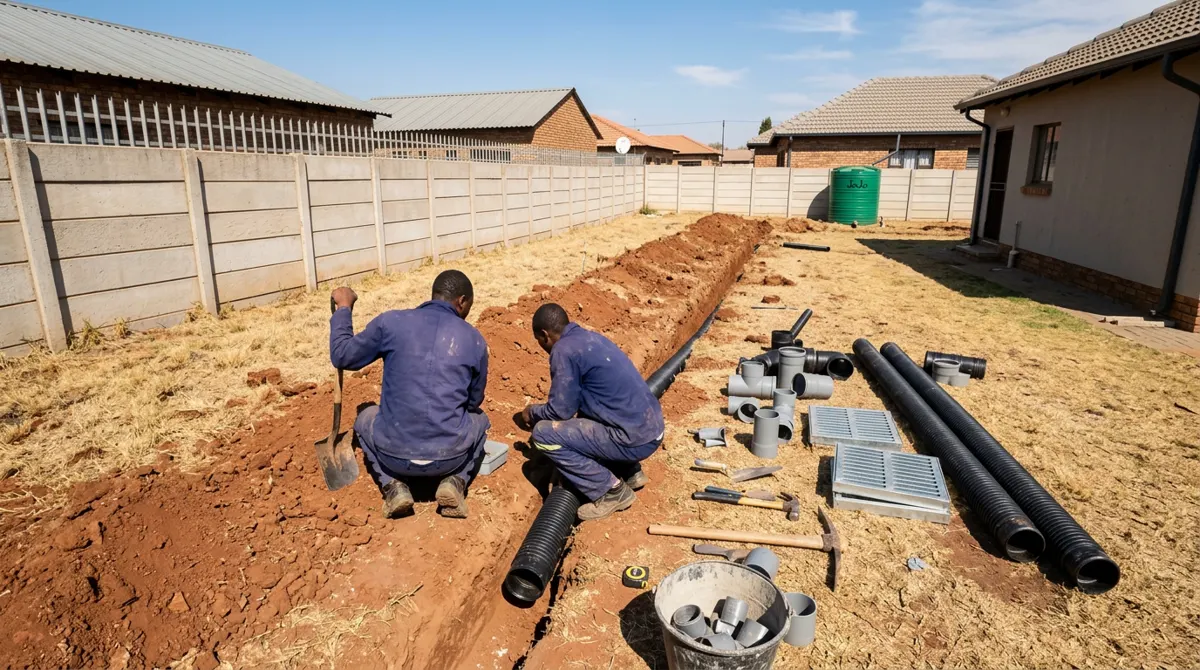
A new storm water drain installation in Brakpan should collect runoff where it builds up and carry it to a suitable, permitted discharge point. The right layout depends on ground levels, roof and paved areas, available fall and the outlet—not just pipe size. Fox Plumbing serves Brakpan from Benoni, with owner Evan Pretorius on the tools and the price agreed upfront.
Signs you may need a new storm water drain
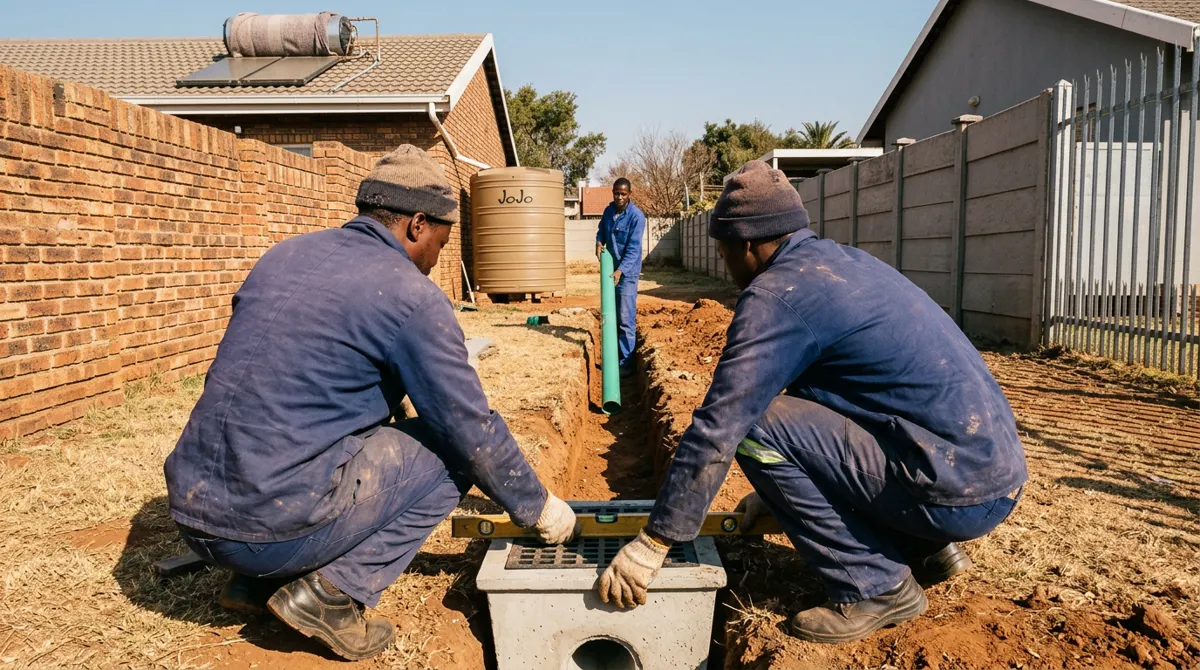
Water gathering at a garage entrance, washing soil across paving or repeatedly pooling beside outside walls deserves attention. A channel drain can intercept runoff across a driveway, while collection pits can serve individual low points. Both need a properly planned outlet; adding a grate alone will not solve the problem.
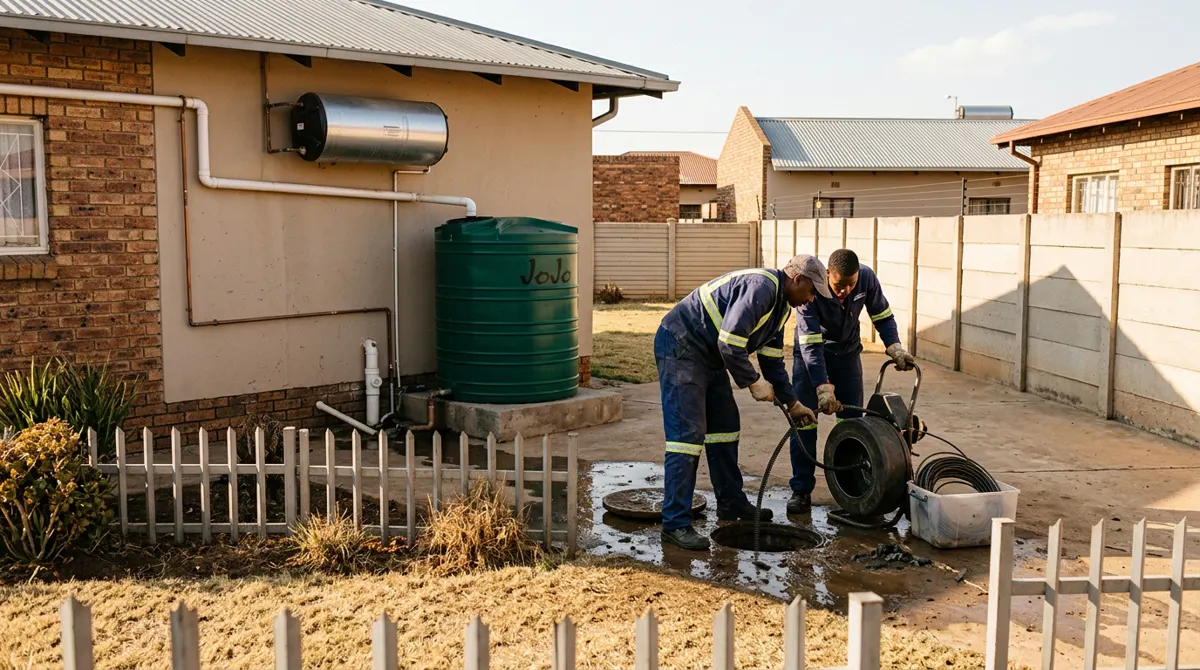
An overflowing existing drain does not automatically need replacement. Leaves, silt, damaged pipes or an obstructed outlet can produce similar symptoms. Check the cause before committing to a new installation. Damp walls and cracks also need proper assessment rather than assuming drainage is the only cause.
- Rainwater runs towards doors or garage thresholds.
- Downpipes discharge into areas with no effective escape route.
- New paving has replaced absorbent ground and increased surface runoff.
- Puddles persist after surrounding areas have drained.
What affects installation cost?
The main cost factors are the length and depth of the drainage route, the surfaces that must be opened, and the work needed to reach a suitable outlet. A short trench through accessible soil is a different job from a route beneath a paved driveway with buried services.
Agree on the full scope before excavation starts, including rubble removal and reinstatement of affected surfaces. Fox Plumbing agrees the price upfront. Its call-out fee includes the first hour of work, and pensioners qualify for a special rate.
- Runoff area and the required pipe, channel and collection-pit sizes.
- Ground conditions, excavation access and existing underground services.
- Depth, available fall and any changes needed to surrounding levels.
- Traffic-rated grates and suitable protection where vehicles cross the drain.
- Outlet arrangements, any necessary permissions and surface reinstatement.
Planning drainage for Brakpan summer rain
Brakpan's summer thunderstorms make it important to consider where water travels during a downpour, not only where a puddle remains afterwards. Roof downpipes, sloping driveways and large paved yards can concentrate flow at one point. Photographs or a short video taken safely during rain can help explain the problem during an assessment.
Storm water must remain separate from sewer drainage. Do not assume that a nearby street channel or municipal pipe is available for connection: confirm the permitted discharge arrangement with the City of Ekurhuleni where necessary. A soakaway is only an option where soil absorption, available space and suitable separation from buildings allow it.
- Plan the outlet before choosing the trench route.
- Avoid diverting runoff onto neighbouring properties.
- Keep grates and inspection points accessible for cleaning.
- Consider where excess water will travel if an inlet becomes blocked.
Why choose Fox Plumbing?
Fox Plumbing is based in Benoni and serves the East Rand, including Brakpan, and greater Gauteng. Owner Evan Pretorius is a qualified registered plumber with more than 20 years of experience and works on the tools. Fox Plumbing is a member of IOPSA and PIRB, issues Certificates of Compliance (COCs), and every job is insured. Ask which compliance documentation applies to your particular installation.
Phone or call 084 368 1879 to discuss the drainage problem and arrange an assessment. Hours are Monday to Friday, 08:00–17:00, with Saturdays by appointment. Send your Brakpan address, photographs of the affected area and a description of where the water comes from.
- Owner on the tools.
- Price agreed upfront.
- Call-out fee includes the first hour of work.
- Special rate for pensioners.
How we do the job
- 1
Assess the runoff and existing drainage
Identify contributing roof and paved areas, low points and entry risks. Check whether existing drains need clearing or repair rather than replacement.
- 2
Confirm levels and a suitable outlet
Measure the available fall and establish where the water can legally discharge. Resolve any required permissions before committing to the layout.
- 3
Agree on the design and scope
Select suitable inlet positions, pipe sizes, collection points and access for maintenance. Agree on pricing, excavation, rubble removal and reinstatement.
- 4
Excavate and install
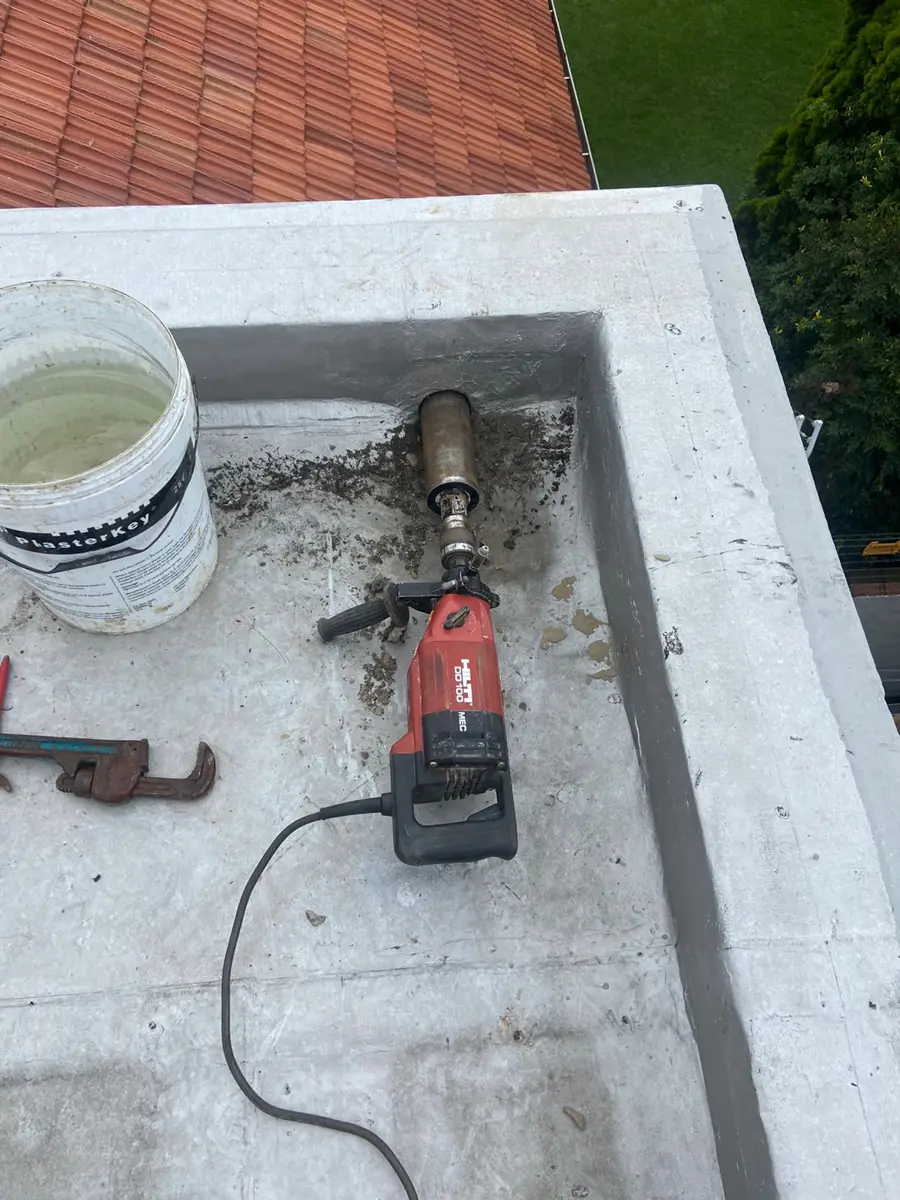
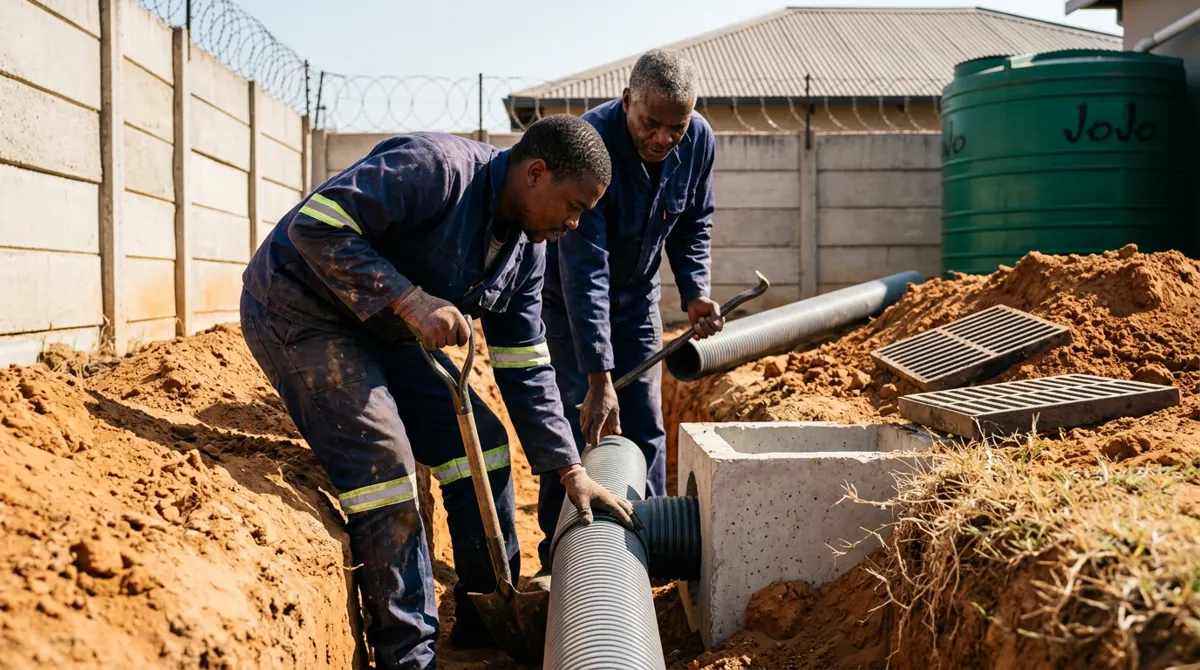
Locate existing services before digging. Lay pipes on suitable bedding at the planned gradient, with appropriate support and load-rated components where needed.
- 5
Check flow before covering
Inspect connections and levels, then run water through the system to check flow and identify obvious pooling or leaks. A hose test does not replicate a severe thunderstorm.
- 6
Backfill and hand over
Backfill and compact appropriately, complete the agreed surface reinstatement, and explain which grates, silt traps and inspection points need regular cleaning.
Common questions
Can storm water go into my sewer drain? +
No. Keep roof and surface runoff separate from sewer drainage. The installation needs a suitable storm water discharge arrangement, with municipal permission where required.
Will a channel drain across my driveway stop garage flooding? +
It can help if it intercepts the incoming water and has enough capacity and a functioning outlet. Its position, surrounding paving levels and grate load rating matter. A channel without adequate discharge can still overflow.
Can I use a soakaway instead of connecting to municipal storm water drainage? +
Possibly, but suitability must be assessed. Soil absorption, groundwater conditions, runoff volume and distance from buildings and boundaries all matter. A soakaway should not be chosen simply because it avoids a longer pipe run.
How long will a new installation take? +
Timing depends on trench length and depth, access, buried services, weather and the surfaces being reinstated. Ask for a programme after the site assessment rather than relying on a fixed duration before the route is checked.
How should I maintain the new drains? +
Remove leaves and litter from grates, clear accessible silt traps and check outlets before the summer rainy season and after heavy storms. If water starts draining slowly, investigate before the next downpour rather than waiting for a complete blockage.