
Quick answer
The right water filtration system for your Benoni property depends on your water source, the problem you want to address and how much water you use. A kitchen filter can treat drinking and cooking water, while an inlet system can manage sediment throughout the property; neither automatically makes unsafe water safe. Start with a plumbing assessment and, where contamination is a concern, water testing before choosing treatment.
Signs you may need water filtration
Grit in tap aerators, recurring sediment and an unpleasant chlorine taste are reasons to investigate your supply. They do not all call for the same filter: sediment cartridges trap particles, while suitable activated carbon filters can reduce chlorine taste and odour.
White deposits on taps or kettle elements may indicate hardness, which ordinary sediment and carbon filters do not remove. Clear water can still contain contaminants, so appearance and taste alone cannot establish whether it is safe to drink. If contamination is suspected, use a known safe drinking-water source while arranging testing.
- Check whether the problem affects one tap or every outlet; a local plumbing fault may be responsible.
- Choose a filter with documented performance for the substance you need to reduce.
- Use laboratory results to guide treatment for borehole water or suspected chemical or microbial contamination.
- Do not assume a standard cartridge removes bacteria, dissolved salts or hardness.
What affects the cost of a filtration system?
The main cost factors are the treatment required, the volume of water passing through the system and the work needed to connect it. Treating one drinking-water tap is a different job from sizing an inlet system for several bathrooms or a busy workplace.
Include maintenance in the decision. Replacement cartridges, treatment media, servicing and any water or electricity used by the equipment affect the ongoing cost. Fox Plumbing agrees the price upfront, and the call-out fee includes the first hour of work.
- Water testing and the number of treatment stages needed.
- Peak flow demand, available pressure and filter pressure loss.
- Pipe alterations, isolation valves, bypass arrangements and installation access.
- Drainage for reverse osmosis or backwashing equipment, where needed.
- Replacement filter availability and the manufacturer's servicing requirements.
Practical considerations for Benoni properties
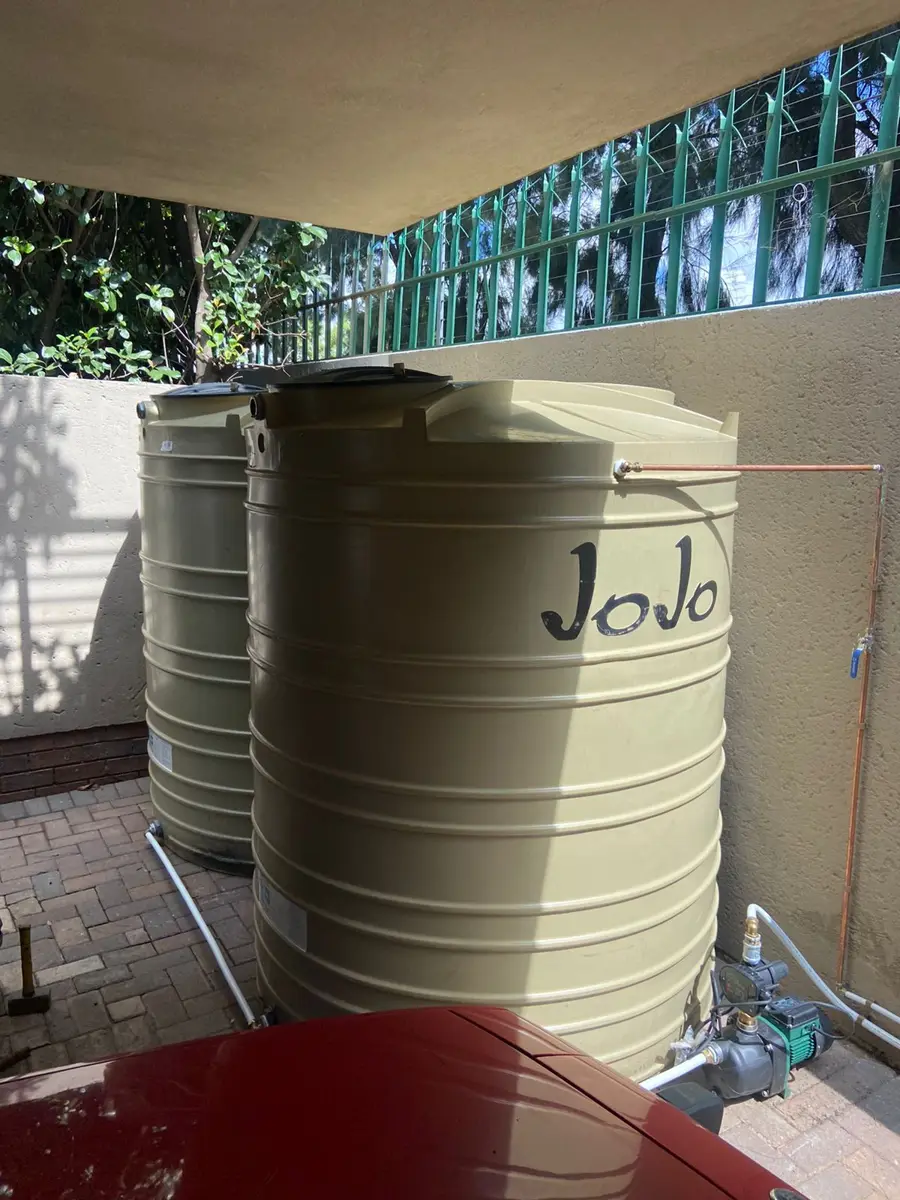
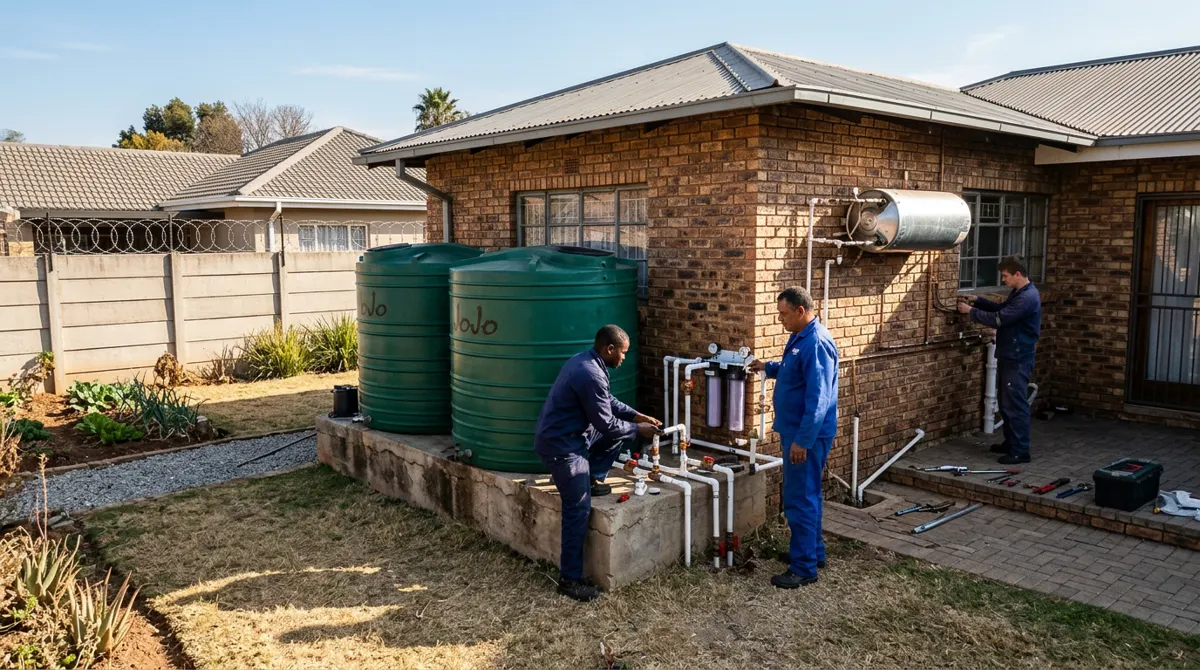
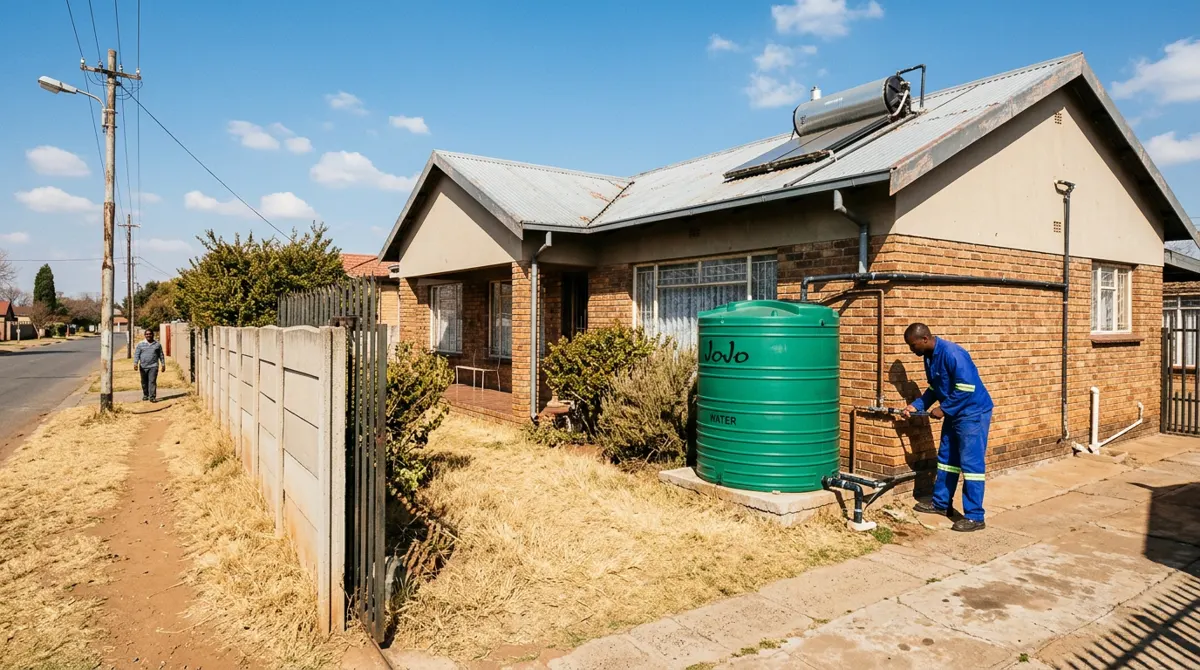
For a Benoni home or business, identify every source feeding the plumbing: municipal water, borehole water or a storage tank. A tank stores water but does not treat it, and its condition matters. There is no sound reason to select the same filter for every property simply because they share a town.
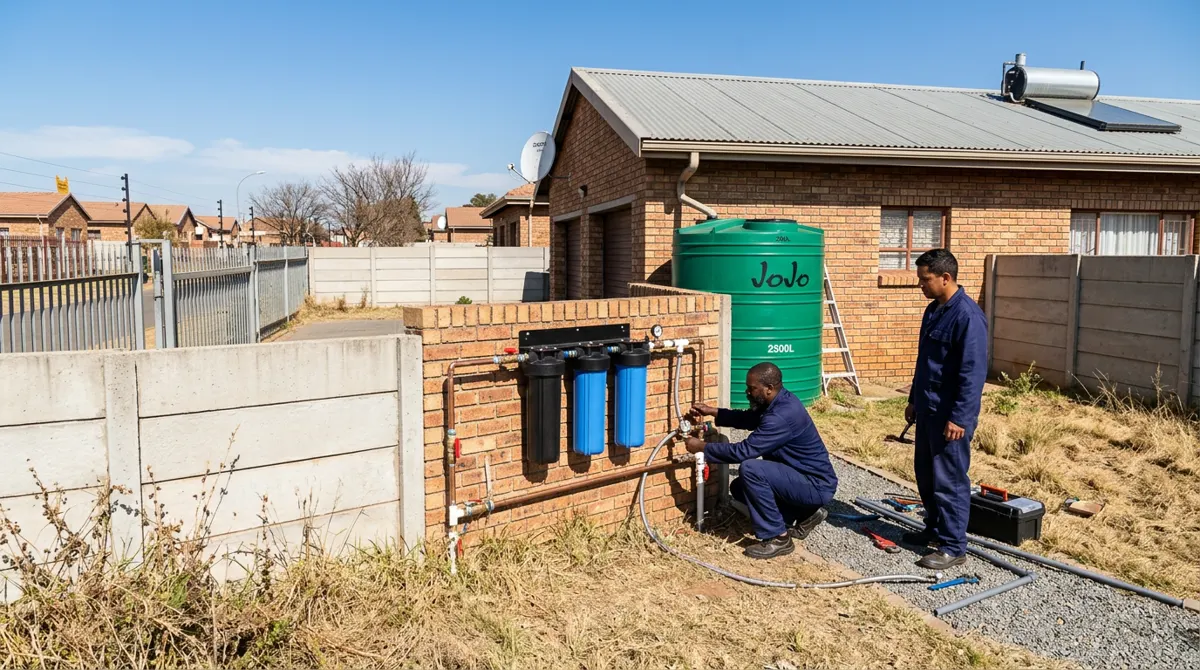
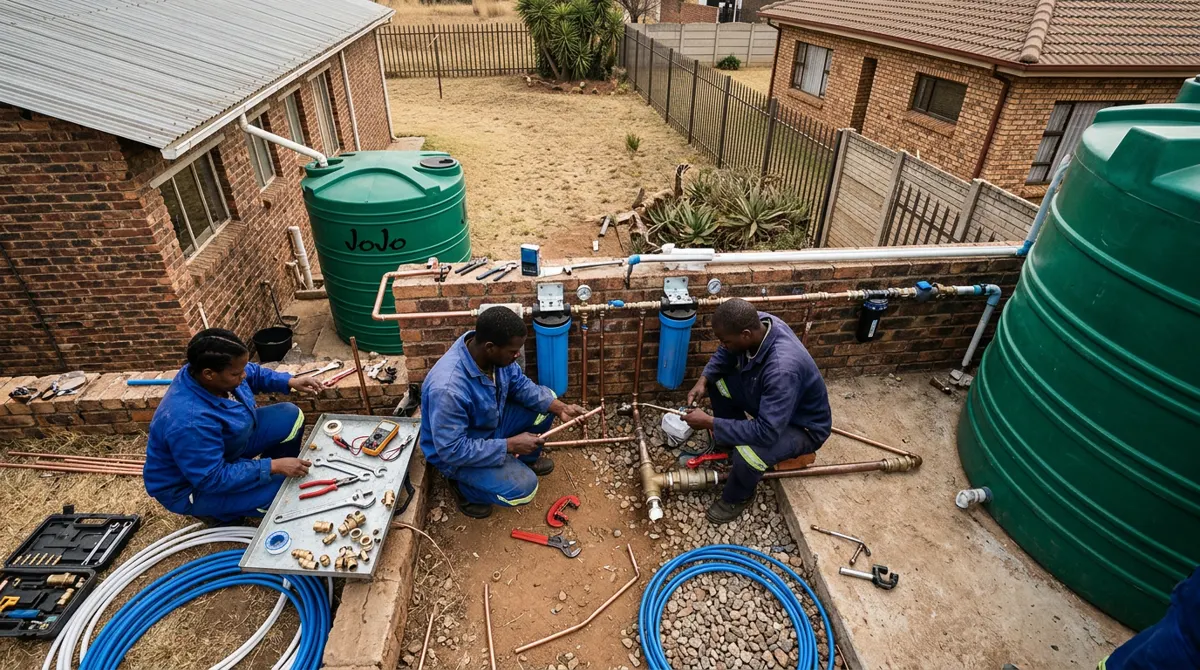
For drinking and cooking water only, an under-counter system may be sufficient. For sediment at multiple outlets, filtration at the incoming supply may be more appropriate. The installation position must leave room to remove filter housings, isolate the equipment and carry out maintenance without making access difficult.
- Check pressure and flow before choosing a whole-property filter.
- If using a pump and tank, plan filtration around the pump specifications and required treatment sequence.
- Keep different water supplies properly separated and assess backflow protection.
- Follow official drinking-water advisories; an ordinary household filter is not a substitute for the specified precautions.
Discuss your requirements with Fox Plumbing
Fox Plumbing is based in Benoni and serves the East Rand and greater Gauteng. Owner Evan Pretorius is a qualified registered plumber with more than 20 years of experience, is a member of IOPSA and PIRB, and remains on the tools. Fox Plumbing issues Certificates of Compliance (COCs); ask what certification applies to the proposed plumbing work.
Every job is insured, pensioners receive a special rate, and the price is agreed upfront. Phone 084 368 1879 to discuss your water source, the symptoms you have noticed and any existing equipment. Hours are Monday to Friday, 08:00–17:00, with Saturdays by appointment.
- Send photographs of the incoming pipework and proposed installation space.
- Have any water test results and existing filter model details ready.
- Explain whether you need treated drinking water or treatment for the wider property.
How we do the job
- 1
Identify the water problem
Confirm the source, affected outlets and intended use. Separate taste and sediment concerns from potential safety issues, and arrange appropriate laboratory testing where needed.
- 2
Assess the plumbing
Check pipework, pressure, peak flow requirements and available space. Identify any pump, tank, drainage, power or backflow-protection requirements.
- 3
Choose treatment and agree the scope
Match the equipment's documented capabilities to the problem. Review capacity, replacement consumables and maintenance needs, then agree the work and price before proceeding.
- 4
Install and commission
Connect the equipment according to its manufacturer's instructions and applicable plumbing requirements. Flush or sanitise as specified, check for leaks and confirm usable pressure and flow.
- 5
Confirm performance and explain maintenance
Where treatment addresses a health-related contaminant, use suitable post-treatment testing rather than judging by taste. Record cartridge details, explain isolation procedures and set a maintenance schedule based on the equipment and actual water conditions.
Common questions
Should I choose an under-counter or whole-house filter? +
Choose according to where treatment is needed. An under-counter unit treats water at a dedicated outlet, usually for drinking and cooking. A whole-house system handles a much larger flow and can address issues such as incoming sediment, but its treatment capabilities still depend on the equipment selected.
Will a water filter prevent scale in my geyser? +
A standard sediment or carbon filter will not remove the dissolved minerals responsible for hardness scale. Confirm hardness through testing before considering a softener or another treatment specifically designed for that purpose.
How often should filter cartridges be replaced? +
Follow the manufacturer's time and capacity limits, adjusted for water use and source conditions. A drop in flow or returning taste can indicate a problem, but do not wait for visible changes: some filters reach their treatment limit without an obvious warning.
Can filtration make borehole water safe to drink? +
Appropriate treatment may make it suitable, but a generic filter is not enough to establish safety. Test the water first, design treatment around the results and verify the treated water. Ongoing testing and maintenance are important because source conditions can change.
Does reverse osmosis suit every property? +
No. Reverse osmosis can reduce many dissolved substances, but it needs suitable feed pressure, maintenance and a connection for reject water. It may be unnecessary when the only concern is sediment or chlorine taste.